
Close Menu
Terrain News
  • Environmental Science
  • Landforms & Habitats
  • Extreme Events
  • Watershed Restoration
  • Wildfire
What's Hot

Deschutes County Explores Biochar Solution for Wildfire Waste Management

Salmon Strategy Progresses with $10 Million for Habitat Restoration and New 2026 Funding Opportunity

Evaluating Watershed Health Ahead of Huron River Day 2024

Facebook X (Twitter) Instagram
Facebook X (Twitter) Instagram Pinterest
Terrain News
TerrainWorks
  • Environmental Science
  • Landforms & Habitats
  • Extreme Events
  • Watershed Restoration
  • Wildfire
Terrain News
You are at:Home»Watershed & Environmental Science»Creating a Living Laboratory: DNR and Environmental Education Team Up for Restoration Science
Watershed & Environmental Science

Creating a Living Laboratory: DNR and Environmental Education Team Up for Restoration Science

Terrain NewsBy Terrain NewsMay 8, 2025011 Min Read
Share Facebook Twitter Pinterest LinkedIn Tumblr Email
Creating A Living Laboratory: Dnr And Environmental Education Team Up
Share
Facebook Twitter LinkedIn Pinterest Email

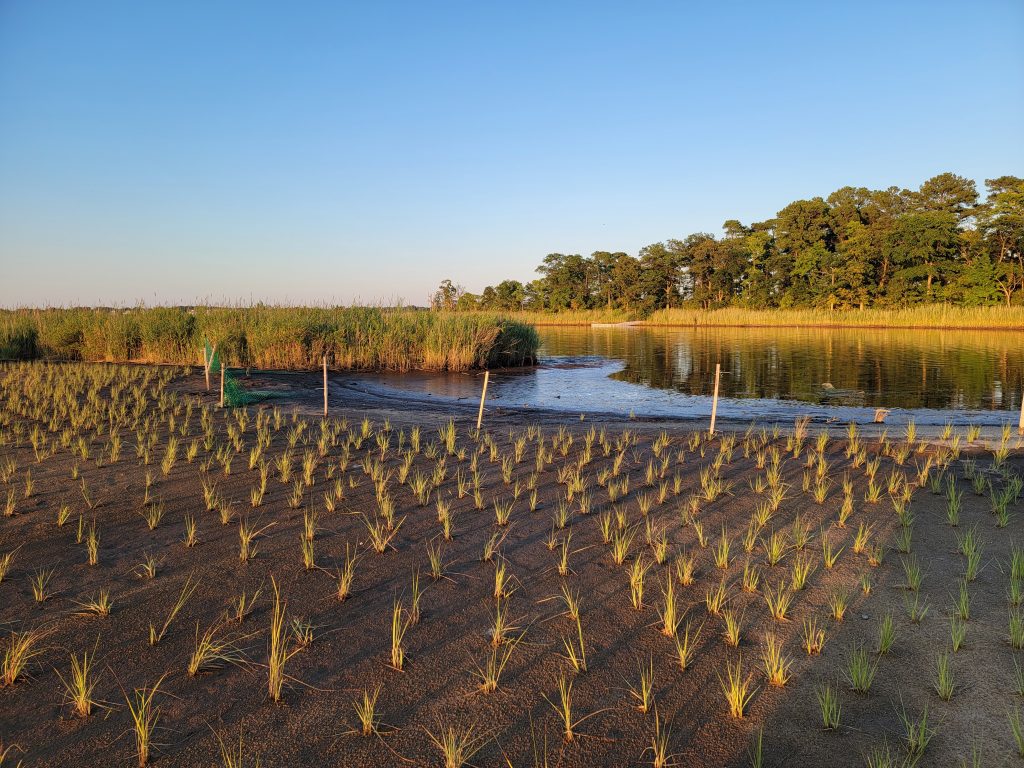
The Chesapeake Bay Environmental Center (CBEC) in Grasonville, Maryland, has been a pioneer in restoration projects, focusing on living shorelines and marsh enhancements for over 23 years. Supported by the Maryland Department of Natural Resources (DNR), CBEC integrates innovative techniques to combat coastal erosion and improve habitats, including the planting of marsh grasses and building oyster reefs.

Recent projects, funded by DNR and the U.S. Fish and Wildlife Service, stabilized shoreline and marsh areas, showcasing the beneficial use of dredged materials. This sustainability approach not only enhances wildlife habitats but also reduces disposal costs. CBEC serves as an educational platform for the public, while its restoration efforts inform future strategies across Maryland. DNR emphasizes the importance of long-term investments in coastal resilience to adapt to evolving environmental challenges.

Source link

Creating DNR Education Environmental Laboratory Living Restoration Science Team
Share. Facebook Twitter Pinterest LinkedIn Tumblr Email
Previous ArticleExploring the Economic Effects of Wildfires
Next Article New Wildfire Ordinance May Transform Criminal Fire Regulations
leebenda
Terrain News
  • Website

Related Posts

Salmon Strategy Progresses with $10 Million for Habitat Restoration and New 2026 Funding Opportunity

January 21, 2026

Evaluating Watershed Health Ahead of Huron River Day 2024

January 20, 2026

Empowering Change for a Sustainable Future

January 19, 2026
Top Posts

Steamboat Secures $5 Million for River Revitalization

January 25, 202520 Views

Harnessing Machine Learning to Enhance Extreme Weather Alerts

January 8, 202519 Views

Influence of Stratospheric Conditions on Extreme Weather in North America

February 2, 202515 Views
Stay In Touch
  • Facebook
  • YouTube
  • TikTok
  • WhatsApp
  • Twitter
  • Instagram
Most Popular

Steamboat Secures $5 Million for River Revitalization

January 25, 202520 Views

Harnessing Machine Learning to Enhance Extreme Weather Alerts

January 8, 202519 Views

Influence of Stratospheric Conditions on Extreme Weather in North America

February 2, 202515 Views
Don't Miss

Deschutes County Explores Biochar Solution for Wildfire Waste Management

Salmon Strategy Progresses with $10 Million for Habitat Restoration and New 2026 Funding Opportunity

Evaluating Watershed Health Ahead of Huron River Day 2024

Popular This Week

Wildfire in Georgia Under Control After 10-Acre Blaze Destroys Camper

Empowering Future Watershed Leaders at Millersville

Understanding Why Some Fires Turn Catastrophic: Insights from Delos Analysis Post-LA Wildfires

© 2026 Terrain News. All Rights Reserved.
  • About Us
  • Privacy Policy
  • Terms and Conditions
  • Disclaimer

Type above and press Enter to search. Press Esc to cancel.