


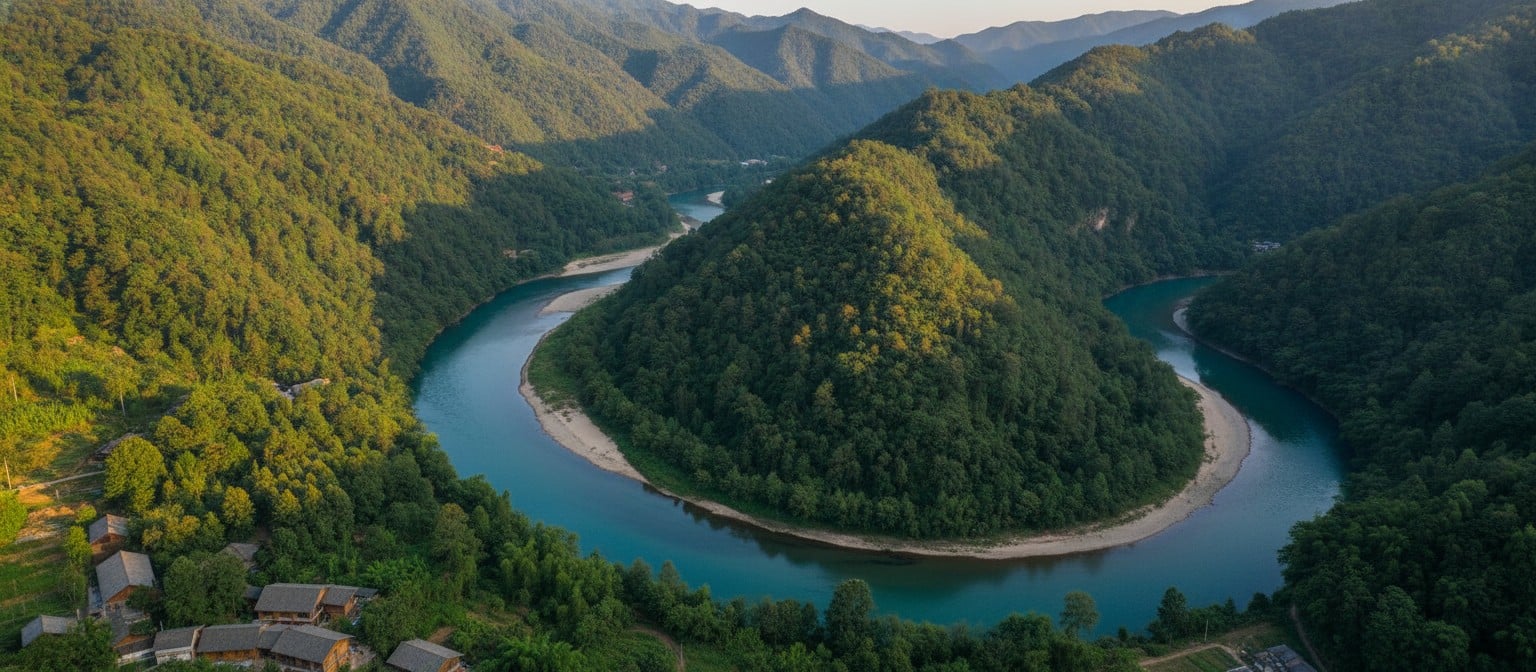
In April 2025, something remarkable occurred on the Chishui River in China: 20 Yangtze sturgeon, a species previously considered extinct in the wild, naturally spawned for the first time in 25 years. This event was a significant success in a large-scale Yangtze River restoration campaign, addressing decades of ecological decline due to pollution, overfishing, and dam construction.
The Yangtze River, vital to roughly one-third of China’s population, had seen fish stocks plummet by 85% over decades. In response to these challenges, China imposed a 10-year fishing ban in 2021 and enacted the Yangtze River Protection Law to ensure ecosystem preservation. This initiated the largest freshwater fishing ban globally, affecting 200,000 fishers who received compensation and retraining for alternative livelihoods.
Alongside fishing bans, a significant effort targeted dam removal; nearly 84% of dams in the Chishui basin were dismantled, reconnecting tributaries and restoring vital habitats. As a result, the ecological landscape started to improve, with fish biomass more than doubling and the return of many native species.
By early 2026, data demonstrated substantial ecological recovery, including a 33% increase in the Yangtze finless porpoise population and enhanced fish health across various species. This work positions the Yangtze restoration as a leading example of global river recovery efforts, showcasing integrated conservation methods that could inspire similar initiatives elsewhere.
Source link
