

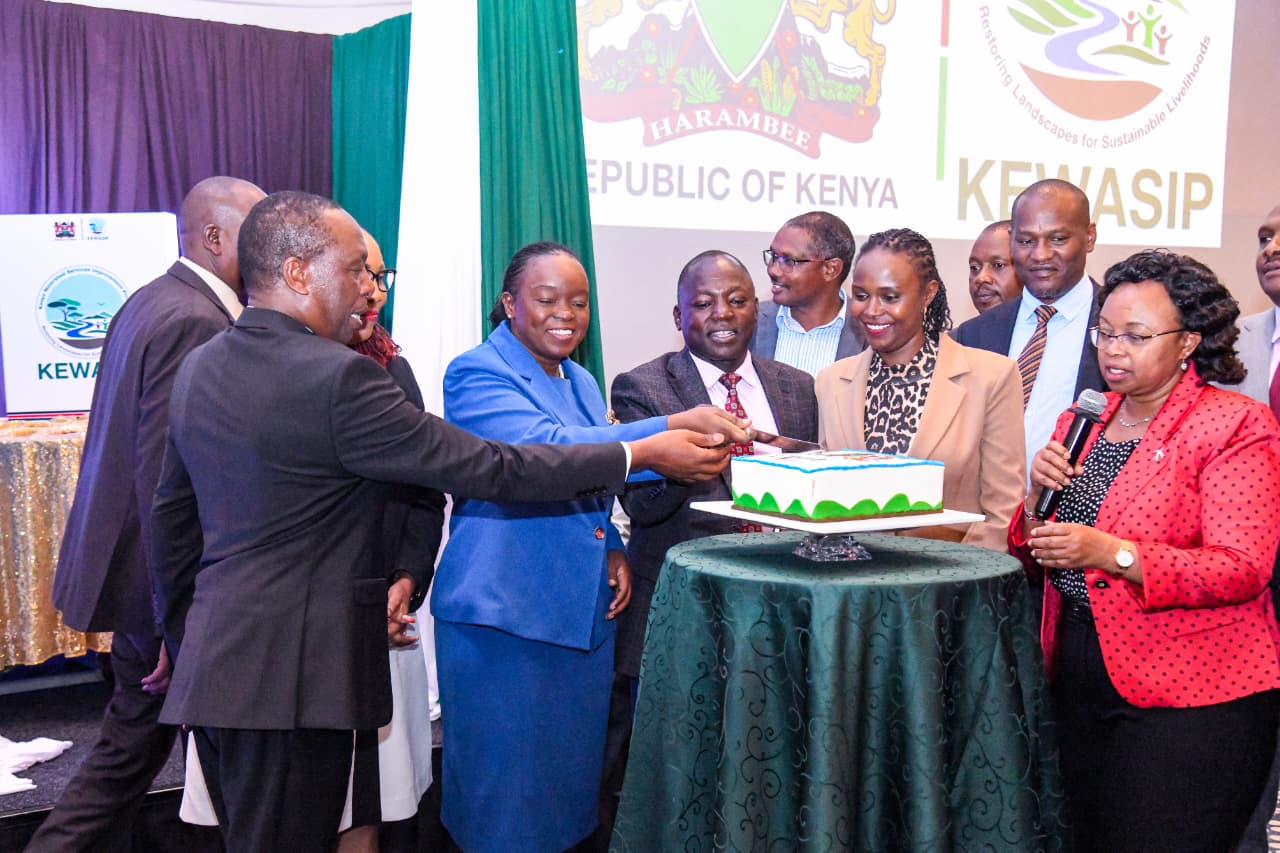
A five-year restoration program in Kenya, funded by the World Bank, aims to rehabilitate 200,000 hectares of degraded landscapes across 12 counties, with a budget of US$200 million (Ksh26 billion). The Kenya Watershed Services Improvement Project (KEWASIP) will focus on restoring vital water catchments, enhancing land management, and building community resilience against environmental degradation.
Environment Cabinet Secretary Dr. Deborah Barasa emphasized the need for a holistic approach that addresses the root causes of degradation, beyond just tree planting. The initiative targets five priority landscapes: Marsabit Hills, Marmanet, Nyambene Hills, Chyulu Hills, and Shimba Hills.
Barasa highlighted the pressing issues of unsustainable land-use, soil erosion, and climate change, which threaten ecosystem productivity and water availability. She urged county governments to prioritize environmental protection in their development agendas and ensure community involvement in the project.
This initiative is part of Kenya’s broader goal to restore 10.6 million hectares by 2032. KEWASIP aims to stimulate rural economies, improve agricultural productivity, and support vulnerable communities. The program involves collaboration among national and county governments and key environmental institutions.
Source link
