


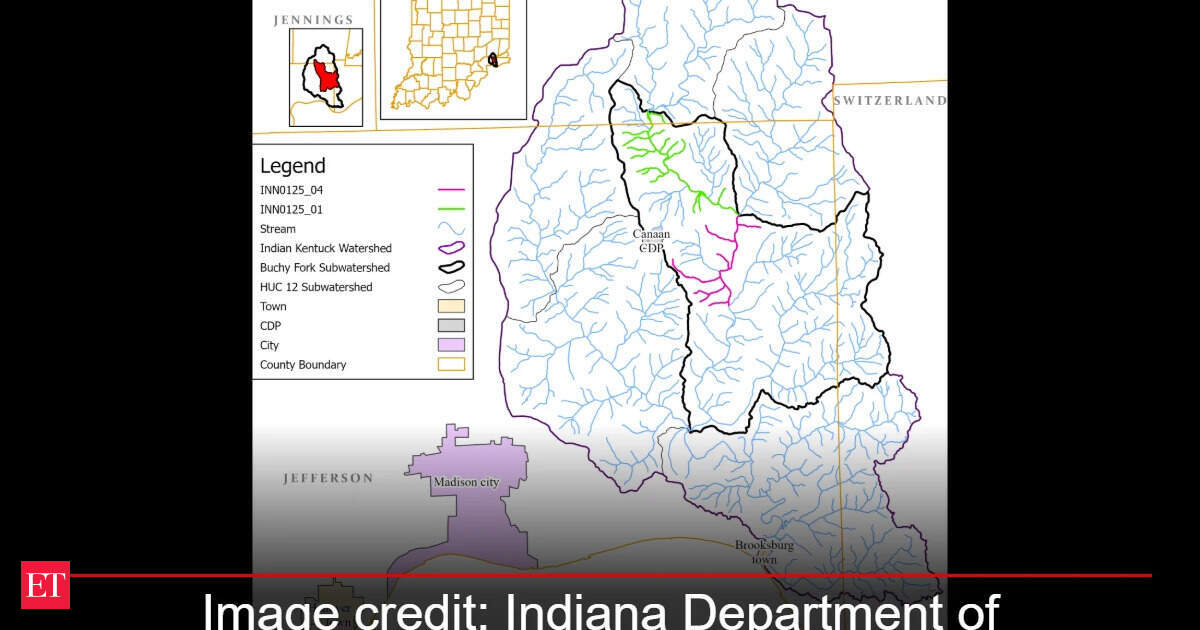
A long-term conservation initiative in southeastern Indiana has significantly improved the Indian-Kentuck Creek watershed. Initiated with a management plan in 2012, the project utilized landowner involvement, community outreach, and conservation practices to reduce nitrogen pollution by an estimated 81,259 pounds annually by 2024. Monitoring revealed initial water quality issues, prompting restoration efforts funded through various grants.
Key strategies included conservation tillage, riparian buffers, and cover crops, involving 25 landowners and installation of 56 best management practices. Subsequent assessments showed improved biological indicators, with the macroinvertebrate score increasing from 32 to 40, and pH levels returning to acceptable ranges.
Success stemmed from collaborative efforts among landowners, organizations, and government agencies, leading to sustained watershed stewardship and measurable environmental benefits over time. This case exemplifies the impact of comprehensive watershed restoration strategies.
Source link
