

Close Menu
Terrain News
  • Environmental Science
  • Landforms & Habitats
  • Extreme Events
  • Watershed Restoration
  • Wildfire
What's Hot

Navigating the Future of the Delaware River Watershed: A Call for Innovative Solutions

New Bipartisan Initiative Aims to Restore the Ohio River

Transforming Illegal Ponds into Wildfire Defense Strategies: Insights from BOCC and Upper Ark

Facebook X (Twitter) Instagram
Facebook X (Twitter) Instagram Pinterest
Terrain News
TerrainWorks
  • Environmental Science
  • Landforms & Habitats
  • Extreme Events
  • Watershed Restoration
  • Wildfire
Terrain News
You are at:Home»Extreme Climate & Geophysical Events»Global Decline in Weather and Climate Disasters
Extreme Climate & Geophysical Events

Global Decline in Weather and Climate Disasters

Terrain NewsBy Terrain NewsFebruary 23, 2025021 Min Read
Share Facebook Twitter Pinterest LinkedIn Tumblr Email
Global Decline In Weather And Climate Disasters
Share
Facebook Twitter LinkedIn Pinterest Email

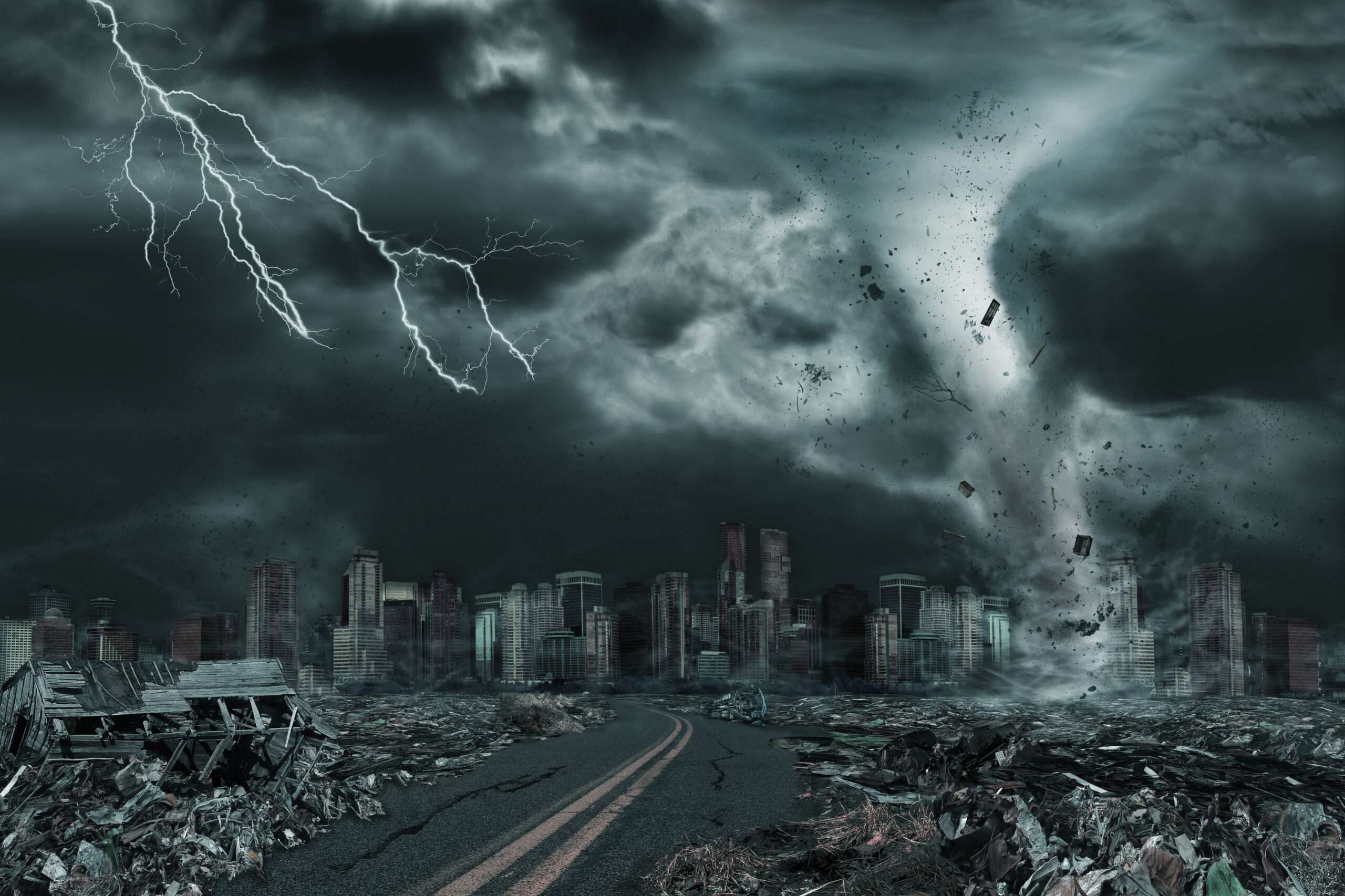
The article discusses a World Meteorological Organization (WMO) report stating that climate change is increasing the frequency and severity of weather-related disasters. WMO Secretary-General Petteri Taalas cited research showing that weather disasters have quintupled over a 50-year span, partly due to improved reporting systems. This data comes from the Emergency Events Database (EM-DAT), which may inflate disaster counts due to enhanced reporting capabilities. The United Nations’ Human Cost of Disasters report, which includes geophysical hazards, reveals that earthquakes account for a significant portion of disaster fatalities. However, when excluding these events, University of Colorado’s Roger Pielke Jr. found a 10% decline in weather and climate disasters from 2000 to 2021, countering popular perceptions of rising incidents. Pielke recommends using direct weather and climate data for assessing climate changes instead of disaster counts. The article suggests that increased damages are largely due to greater wealth and population density in vulnerable areas, rather than an increase in disaster frequency.

Source link

Climate Decline Disasters Global Weather
Share. Facebook Twitter Pinterest LinkedIn Tumblr Email
Previous ArticleRestoring the Eel River: California’s Third Largest Watershed on the Rebound
Next Article Join Our Team as Environmental Technicians at the Washington State Department of Ecology
leebenda
Terrain News
  • Website

Related Posts

The Impact of Global Warming on Russia’s Deadly Heat Wave

February 5, 2026

Climate Change’s Impact on Migration in the Americas

February 4, 2026

Rising Intensity and Frequency of Heatwaves in the Caribbean

January 31, 2026
Top Posts

Steamboat Secures $5 Million for River Revitalization

January 25, 202520 Views

Harnessing Machine Learning to Enhance Extreme Weather Alerts

January 8, 202519 Views

Influence of Stratospheric Conditions on Extreme Weather in North America

February 2, 202515 Views
Stay In Touch
  • Facebook
  • YouTube
  • TikTok
  • WhatsApp
  • Twitter
  • Instagram
Most Popular

Steamboat Secures $5 Million for River Revitalization

January 25, 202520 Views

Harnessing Machine Learning to Enhance Extreme Weather Alerts

January 8, 202519 Views

Influence of Stratospheric Conditions on Extreme Weather in North America

February 2, 202515 Views
Don't Miss

Navigating the Future of the Delaware River Watershed: A Call for Innovative Solutions

New Bipartisan Initiative Aims to Restore the Ohio River

Transforming Illegal Ponds into Wildfire Defense Strategies: Insights from BOCC and Upper Ark

Popular This Week

Edison International: Valuation Insights After Earnings Surprises and Wildfire Securitization Advances

California Launches $10M Housing Initiative for Wildfire Recovery

New Bipartisan Initiative Aims to Restore the Ohio River

© 2026 Terrain News. All Rights Reserved.
  • About Us
  • Privacy Policy
  • Terms and Conditions
  • Disclaimer

Type above and press Enter to search. Press Esc to cancel.