

Close Menu
Terrain News
  • Environmental Science
  • Landforms & Habitats
  • Extreme Events
  • Watershed Restoration
  • Wildfire
What's Hot

Wildfires Intensify: Red Cross Prepared to Assist

West Virginia Invests $2.8M in Chesapeake Bay Water Quality Initiatives

USDA Disburses Emergency Livestock Relief for 2023 and 2024 Disasters

Facebook X (Twitter) Instagram
Facebook X (Twitter) Instagram Pinterest
Terrain News
TerrainWorks
  • Environmental Science
  • Landforms & Habitats
  • Extreme Events
  • Watershed Restoration
  • Wildfire
Terrain News
You are at:Home»Extreme Climate & Geophysical Events»Climate Change’s Impact on Migration in the Americas
Extreme Climate & Geophysical Events

Climate Change’s Impact on Migration in the Americas

Terrain NewsBy Terrain NewsFebruary 4, 2026011 Min Read
Share Facebook Twitter Pinterest LinkedIn Tumblr Email
Climate Change's Impact On Migration In The Americas
Share
Facebook Twitter LinkedIn Pinterest Email

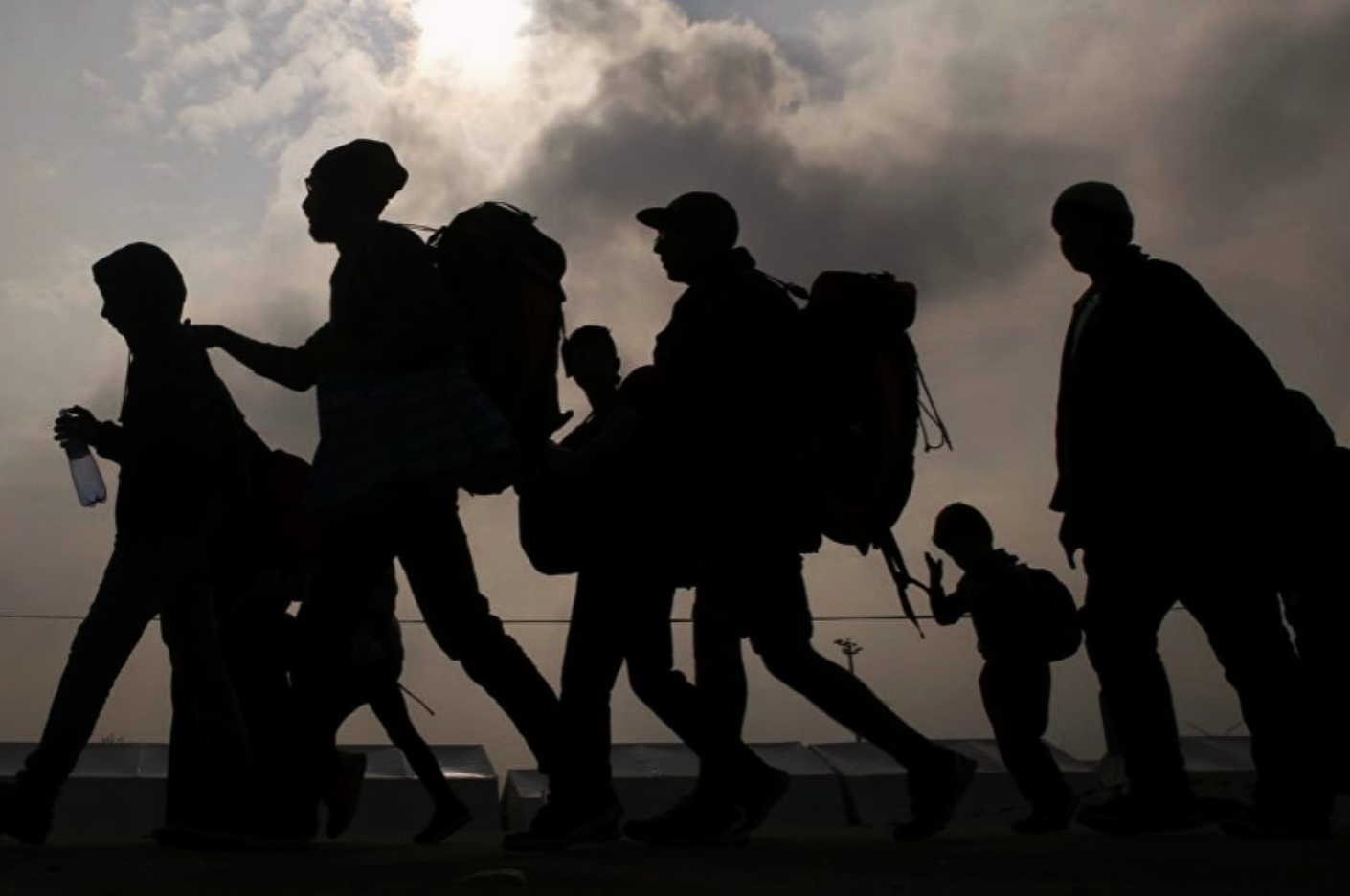
The article discusses the intertwining issues of climate change and migration in Latin America and the Caribbean, highlighting that extreme climate events—such as droughts, floods, and hurricanes—are increasingly forcing people to leave their homes. Up to 17 million individuals may migrate due to climate-related factors by 2050. From 1998 to 2020, over 277 million people were impacted by climate-related disasters in the region, with significant internal displacements occurring in countries like Honduras, Cuba, and Brazil.

Migrants, particularly those reliant on agriculture or fishing, are most vulnerable to climate impacts. Indigenous populations are also being displaced due to environmental changes affecting their ancestral lands. Health impacts include increased heat-related deaths and the spread of infectious diseases linked to climate events.

Addressing these challenges requires integrated strategies from governments, including climate risk assessments and enhanced collaboration across sectors. Initiatives like the LACI aim to improve forecasting and responses to migration and climate crises. Ultimately, solving these issues involves reducing greenhouse gas emissions and tackling social inequities that drive migration in the first place.

Source link

Americas Climate Impact Migration
Share. Facebook Twitter Pinterest LinkedIn Tumblr Email
Previous ArticleGavin Newsom Critiques Trump’s Wildfire Recovery Initiative in LA
Next Article Muskegon Lake Cleared from Degraded Great Lakes Rankings
leebenda
Terrain News
  • Website

Related Posts

The Impact of Global Warming on Russia’s Deadly Heat Wave

February 5, 2026

Rising Intensity and Frequency of Heatwaves in the Caribbean

January 31, 2026

AI Breakthrough in Weather Forecasting: Harnessing Physics for Extreme Predictions

January 27, 2026
Top Posts

Steamboat Secures $5 Million for River Revitalization

January 25, 202520 Views

Harnessing Machine Learning to Enhance Extreme Weather Alerts

January 8, 202519 Views

Boosting Carbon Storage: Maximizing Terrestrial Vegetation through Smart Land Management

February 1, 202516 Views
Stay In Touch
  • Facebook
  • YouTube
  • TikTok
  • WhatsApp
  • Twitter
  • Instagram
Most Popular

Steamboat Secures $5 Million for River Revitalization

January 25, 202520 Views

Harnessing Machine Learning to Enhance Extreme Weather Alerts

January 8, 202519 Views

Boosting Carbon Storage: Maximizing Terrestrial Vegetation through Smart Land Management

February 1, 202516 Views
Don't Miss

Wildfires Intensify: Red Cross Prepared to Assist

West Virginia Invests $2.8M in Chesapeake Bay Water Quality Initiatives

USDA Disburses Emergency Livestock Relief for 2023 and 2024 Disasters

Popular This Week

From Flames to Fish: The Remarkable Revival of Toronto’s once-Polluted River

Napeague Park’s Controlled Burns: A Strategy for Wildfire Safety

Chesapeake Bay Watershed Gains $44.2 Million for Restoration Initiatives

© 2026 Terrain News. All Rights Reserved.
  • About Us
  • Privacy Policy
  • Terms and Conditions
  • Disclaimer

Type above and press Enter to search. Press Esc to cancel.