


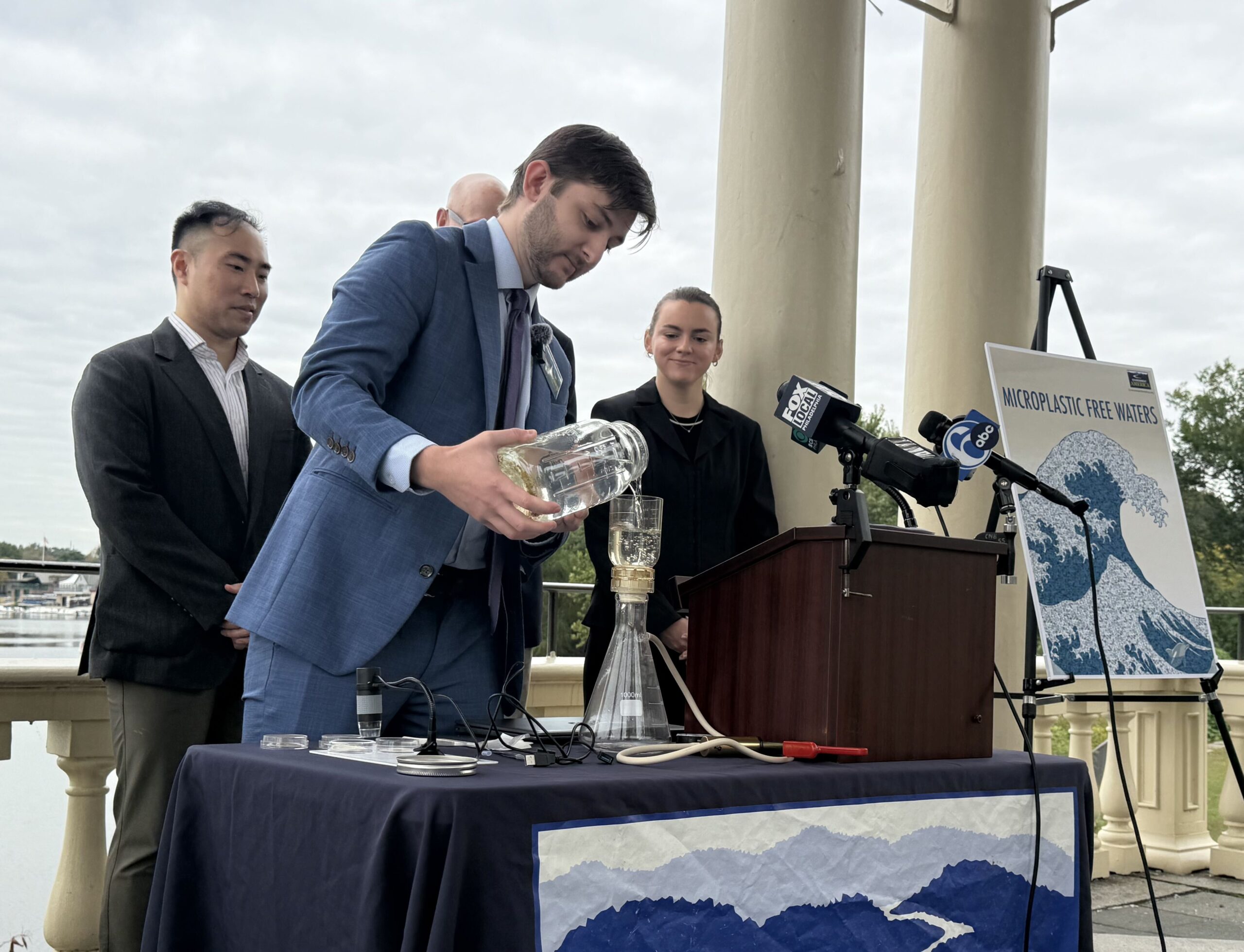
Microplastics and nanoplastics, often invisible to the naked eye, have been found in the human bloodstream and organs, raising concerns about potential health risks, including heart attacks and strokes. Research led by Drexel University revealed widespread microplastic contamination in waterways across Pennsylvania, New Jersey, New York, and Delaware, with microplastic fibers detected in all sampled areas.
PennEnvironment advocates for stricter laws to hold plastic producers accountable for waste management and urges expanded bans on single-use plastic bags. The organization emphasizes that most plastics end up in landfills rather than being recycled. Experts suggest a comprehensive approach is needed to reduce plastic production and promote more sustainable practices to protect health and the environment.
