

Close Menu
Terrain News
  • Environmental Science
  • Landforms & Habitats
  • Extreme Events
  • Watershed Restoration
  • Wildfire
What's Hot

Napeague Park’s Controlled Burns: A Strategy for Wildfire Safety

Improving Water Quality Restoration: Targeting Emerging Contaminants Amid Funding Cuts

Creating Virtual Watersheds for Freshwater Fisheries Conservation

Facebook X (Twitter) Instagram
Facebook X (Twitter) Instagram Pinterest
Terrain News
TerrainWorks
  • Environmental Science
  • Landforms & Habitats
  • Extreme Events
  • Watershed Restoration
  • Wildfire
Terrain News
You are at:Home»Watershed & Environmental Science»Reviving Drylands: Innovative Rock Structures for Sustainable Watershed Management
Watershed & Environmental Science

Reviving Drylands: Innovative Rock Structures for Sustainable Watershed Management

Terrain NewsBy Terrain NewsJanuary 25, 2025012 Mins Read
Share Facebook Twitter Pinterest LinkedIn Tumblr Email
Reviving Drylands: Innovative Rock Structures For Sustainable Watershed Management
Share
Facebook Twitter LinkedIn Pinterest Email

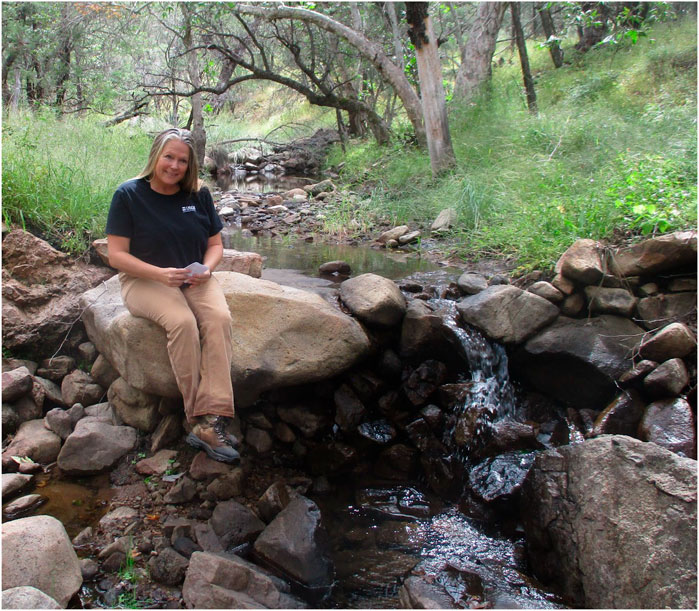
The article presents studies on rock detention structures (RDS) at four sites, supporting their recognition as nature-based solutions (NbS) due to their potential for climate mitigation and adaptation. Decision-makers’ understanding of these impacts and commitment to funding is essential for effective climate change strategies. RDS, observed across the U.S.-Mexico border, provide multiple ecosystem services and have proven effective over centuries in managing water and restoring landscapes. The article emphasizes RDS’s scalability and long-term benefits, including flood mitigation and carbon sequestration.

RDS serve as sustainable solutions that protect and restore ecosystems compared to traditional green infrastructure, which focuses on passive water retention. However, their implementation requires significant investment, with costs estimated at $73 million for treating all Federal and Tribal riparian areas in Arizona. Despite installation costs, the potential economic returns could yield over 1,000 job-years and substantial economic output. RDS can improve water quality, biodiversity, and community resilience to climate impacts.

The author argues for RDS as NbS in the context of climate change by highlighting their long-lasting impact and the economic benefits they offer in restoration and job creation, thus promoting a restoration stewardship economy. The commentary calls for broader recognition and investment in RDS-NbS as part of strategies to address the challenges posed by climate change in vulnerable regions.

Source link

Drylands Innovative Management Reviving Rock Structures Sustainable Watershed
Share. Facebook Twitter Pinterest LinkedIn Tumblr Email
Previous ArticleThe Impact of Coastal Erosion on Our Beaches
Next Article Steamboat Secures $5 Million for River Revitalization
leebenda
Terrain News
  • Website

Related Posts

Chesapeake Bay Watershed Gains $44.2 Million for Restoration Initiatives

February 13, 2026

Chesapeake Bay Receives $44.2 Million for Innovative Nutrient and Sediment Reduction Grants, with Over $19 Million for Pennsylvania

February 12, 2026

Navigating the Future of the Delaware River Watershed: A Call for Innovative Solutions

February 11, 2026
Top Posts

Steamboat Secures $5 Million for River Revitalization

January 25, 202520 Views

Harnessing Machine Learning to Enhance Extreme Weather Alerts

January 8, 202519 Views

Influence of Stratospheric Conditions on Extreme Weather in North America

February 2, 202515 Views
Stay In Touch
  • Facebook
  • YouTube
  • TikTok
  • WhatsApp
  • Twitter
  • Instagram
Most Popular

Steamboat Secures $5 Million for River Revitalization

January 25, 202520 Views

Harnessing Machine Learning to Enhance Extreme Weather Alerts

January 8, 202519 Views

Influence of Stratospheric Conditions on Extreme Weather in North America

February 2, 202515 Views
Don't Miss

Napeague Park’s Controlled Burns: A Strategy for Wildfire Safety

Improving Water Quality Restoration: Targeting Emerging Contaminants Amid Funding Cuts

Creating Virtual Watersheds for Freshwater Fisheries Conservation

Popular This Week

California Launches $10M Housing Initiative for Wildfire Recovery

Napeague Park’s Controlled Burns: A Strategy for Wildfire Safety

Chesapeake Bay Watershed Gains $44.2 Million for Restoration Initiatives

© 2026 Terrain News. All Rights Reserved.
  • About Us
  • Privacy Policy
  • Terms and Conditions
  • Disclaimer

Type above and press Enter to search. Press Esc to cancel.