

Close Menu
Terrain News
  • Environmental Science
  • Landforms & Habitats
  • Extreme Events
  • Watershed Restoration
  • Wildfire
What's Hot

Palisades Fire Anniversary: A Year of Healing and Reflection at Eaton

Coordinated Watershed Protection for Regional Sustainability

Firefighters Battle Major Wildfire Blaze

Facebook X (Twitter) Instagram
Facebook X (Twitter) Instagram Pinterest
Terrain News
TerrainWorks
  • Environmental Science
  • Landforms & Habitats
  • Extreme Events
  • Watershed Restoration
  • Wildfire
Terrain News
You are at:Home»Watershed Restoration»Revitalizing the San Joaquin River: Insights from Maven’s Notebook
Watershed Restoration

Revitalizing the San Joaquin River: Insights from Maven’s Notebook

Terrain NewsBy Terrain NewsJanuary 8, 2025051 Min Read
Share Facebook Twitter Pinterest LinkedIn Tumblr Email
Revitalizing The San Joaquin River: Insights From Maven's Notebook
Share
Facebook Twitter LinkedIn Pinterest Email

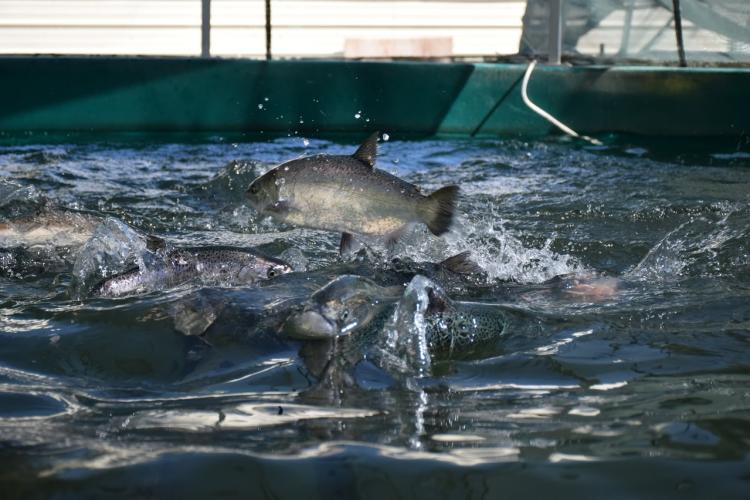
The San Joaquin River Restoration Program (SJRRP) is a long-term initiative designed to restore flows in the San Joaquin River, aiming to establish a self-sustaining spring-run Chinook salmon population and to mitigate negative impacts on water supply for long-term contractors. The program emerged after the construction of Friant Dam in 1942, which led to dwindling salmon populations due to water diversion for irrigation.

Environmental groups filed a lawsuit against the Bureau of Reclamation in 1988 for not adequately supplying water to support local fish populations, culminating in a settlement in 2006 that set the goals for restoration and water management. The SJRRP is managed by five agencies, including NOAA Fisheries, which handles technical support for salmon reintroduction and fish passage.

NOAA Fisheries designated reintroduced spring-run Chinook salmon in the San Joaquin River as an experimental non-essential population, allowing for their release outside their historical range without threatening the overall species. The program includes various management plans to enhance fish habitats and tracks progress toward restoration goals. A comprehensive Long-term Monitoring Plan is underway to support ongoing assessments and adaptive management decisions.

Source link

Insights Joaquin Mavens Notebook Revitalizing River San
Share. Facebook Twitter Pinterest LinkedIn Tumblr Email
Previous ArticleHighlighting Fire Recovery and Fuel Management in the Cosumnes Watershed
Next Article Understanding the Chesapeake Clean Water Blueprint
leebenda
Terrain News
  • Website

Related Posts

Innovative Insights from Alexey Voinov at AAAS

January 10, 2026

Barnet Selectboard Moves Forward with Stream Restoration Initiative

January 10, 2026

Anderson Creek Watershed 2024 Dry Season Water Quality Insights

January 9, 2026
Top Posts

Steamboat Secures $5 Million for River Revitalization

January 25, 202520 Views

Harnessing Machine Learning to Enhance Extreme Weather Alerts

January 8, 202519 Views

Influence of Stratospheric Conditions on Extreme Weather in North America

February 2, 202515 Views
Stay In Touch
  • Facebook
  • YouTube
  • TikTok
  • WhatsApp
  • Twitter
  • Instagram
Most Popular

Steamboat Secures $5 Million for River Revitalization

January 25, 202520 Views

Harnessing Machine Learning to Enhance Extreme Weather Alerts

January 8, 202519 Views

Influence of Stratospheric Conditions on Extreme Weather in North America

February 2, 202515 Views
Don't Miss

Palisades Fire Anniversary: A Year of Healing and Reflection at Eaton

Coordinated Watershed Protection for Regional Sustainability

Firefighters Battle Major Wildfire Blaze

Popular This Week

Montana and Oregon Firefighters Unite as Bee Rock Creek Fire Surpasses 500 Acres

L.A. Wildfire Recovery Secures Billions in Support and Funding

Explore the Wonders of Whychus with COCC and Upper Deschutes Watershed Council

© 2026 Terrain News. All Rights Reserved.
  • About Us
  • Privacy Policy
  • Terms and Conditions
  • Disclaimer

Type above and press Enter to search. Press Esc to cancel.