

Close Menu
Terrain News
  • Environmental Science
  • Landforms & Habitats
  • Extreme Events
  • Watershed Restoration
  • Wildfire
What's Hot

Wildfires Intensify: Red Cross Prepared to Assist

West Virginia Invests $2.8M in Chesapeake Bay Water Quality Initiatives

USDA Disburses Emergency Livestock Relief for 2023 and 2024 Disasters

Facebook X (Twitter) Instagram
Facebook X (Twitter) Instagram Pinterest
Terrain News
TerrainWorks
  • Environmental Science
  • Landforms & Habitats
  • Extreme Events
  • Watershed Restoration
  • Wildfire
Terrain News
You are at:Home»Wildfire»Ants Flourish in LA Wildfire Burn Zones and Why It Matters
Wildfire

Ants Flourish in LA Wildfire Burn Zones and Why It Matters

Terrain NewsBy Terrain NewsJanuary 31, 2026011 Min Read
Share Facebook Twitter Pinterest LinkedIn Tumblr Email
Ants Flourish In La Wildfire Burn Zones And Why It
Share
Facebook Twitter LinkedIn Pinterest Email

Summary:

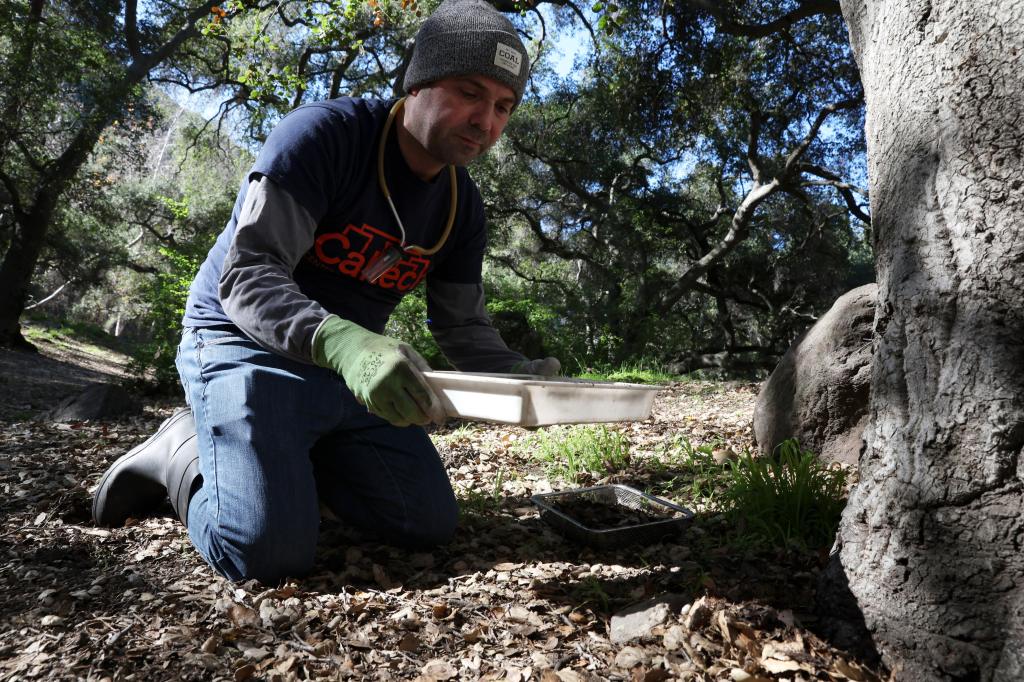
Joe Parker, a Caltech entomologist, was initially disheartened when he saw the Eaton fire consuming his research site in Millard Canyon. After the fire, he discovered that 13 out of 15 colonies of velvety tree ants had survived by nesting inside fire-resistant coast live oak trees. This resilience highlighted the ants’ strategy of living in structures that endure wildfires, paralleling the need for homeowners to adopt fire-resistant practices.

His observations suggested that the ants likely knew to seek shelter inside the trees, where they excavate complex nests. This adaptability raises questions about their behavior during fires. The survival of these ants also indicates the overall health of the canyon ecosystem, as they are a key species that maintains ecological balance.

Parker, alongside graduate students, studied the ants and their interactions with Rove beetles, which share a symbiotic relationship with them. The research underscores the importance of insects in ecosystems and their survival strategies against wildfires, emphasizing their integral role in ecological health. Further studies could deepen understanding of these strategies and their implications for both wildlife and human communities facing similar threats.

Source link

Ants Burn Flourish Matters Wildfire Zones
Share. Facebook Twitter Pinterest LinkedIn Tumblr Email
Previous ArticleRising Intensity and Frequency of Heatwaves in the Caribbean
Next Article Reviving the Little Shasta River: Evans Spring Flow Restoration Project
leebenda
Terrain News
  • Website

Related Posts

Wildfires Intensify: Red Cross Prepared to Assist

February 17, 2026

USDA Disburses Emergency Livestock Relief for 2023 and 2024 Disasters

February 16, 2026

Guarding Oklahoma Homes Against Wildfire Risks

February 15, 2026
Top Posts

Steamboat Secures $5 Million for River Revitalization

January 25, 202520 Views

Harnessing Machine Learning to Enhance Extreme Weather Alerts

January 8, 202519 Views

Boosting Carbon Storage: Maximizing Terrestrial Vegetation through Smart Land Management

February 1, 202516 Views
Stay In Touch
  • Facebook
  • YouTube
  • TikTok
  • WhatsApp
  • Twitter
  • Instagram
Most Popular

Steamboat Secures $5 Million for River Revitalization

January 25, 202520 Views

Harnessing Machine Learning to Enhance Extreme Weather Alerts

January 8, 202519 Views

Boosting Carbon Storage: Maximizing Terrestrial Vegetation through Smart Land Management

February 1, 202516 Views
Don't Miss

Wildfires Intensify: Red Cross Prepared to Assist

West Virginia Invests $2.8M in Chesapeake Bay Water Quality Initiatives

USDA Disburses Emergency Livestock Relief for 2023 and 2024 Disasters

Popular This Week

From Flames to Fish: The Remarkable Revival of Toronto’s once-Polluted River

Napeague Park’s Controlled Burns: A Strategy for Wildfire Safety

Chesapeake Bay Watershed Gains $44.2 Million for Restoration Initiatives

© 2026 Terrain News. All Rights Reserved.
  • About Us
  • Privacy Policy
  • Terms and Conditions
  • Disclaimer

Type above and press Enter to search. Press Esc to cancel.