

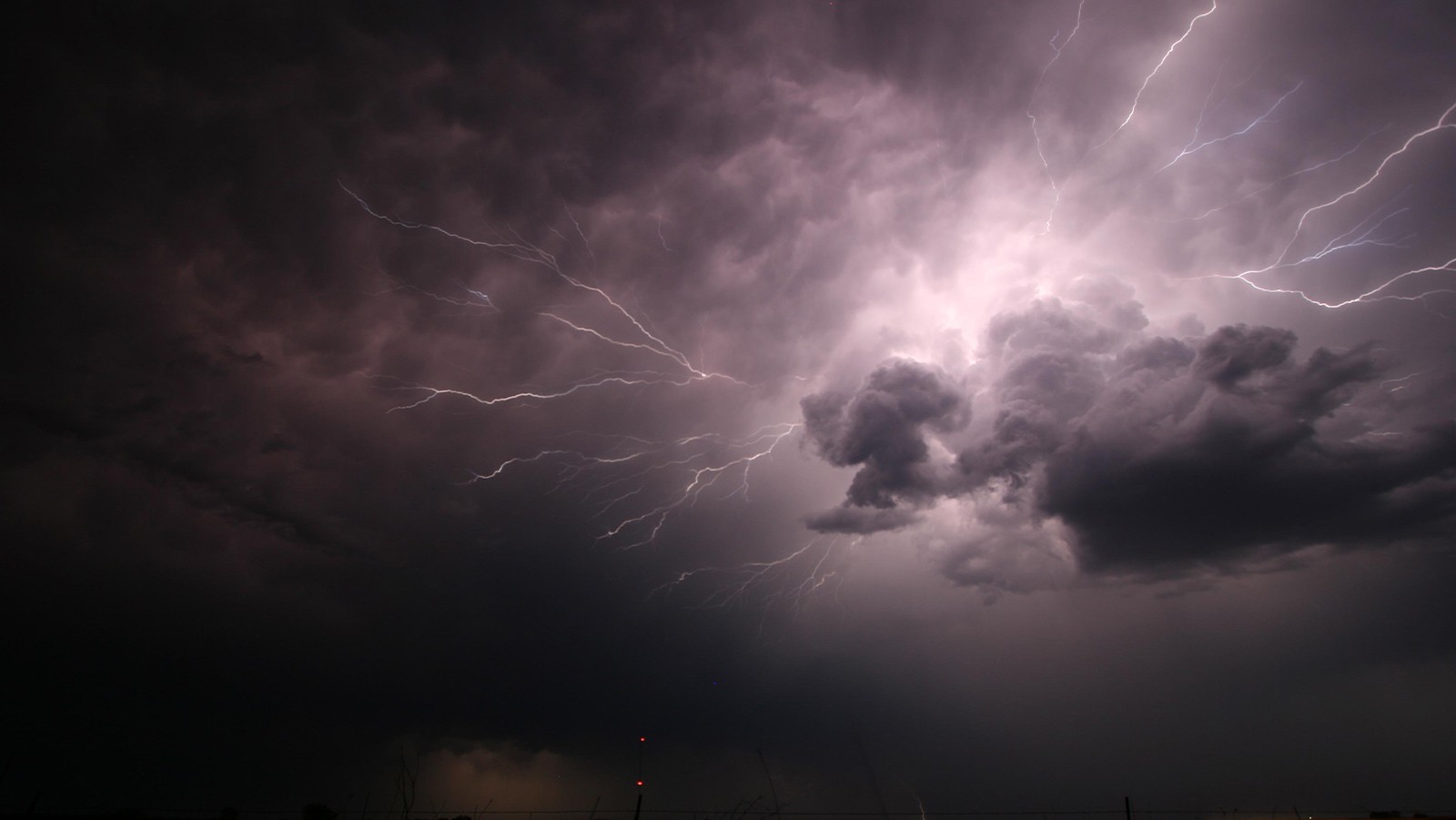
Extreme weather events pose significant challenges due to their unpredictable nature, leading to loss of life and substantial damage. The NOAA aims to extend forecast lead times from a few days to several weeks or months, enhancing prediction capabilities through advanced ocean-atmosphere monitoring.
Scientists at NOAA’s AOML are pioneering efforts in forecast models, particularly for tornadoes, by analyzing conditions that contributed to the Quad-State Tornado Outbreak in December 2021. Their research links prolonged atmospheric patterns to severe weather events and uses the SHiELD model to improve prediction skills.
In addition, AOML contributes to seasonal hurricane forecasts for specific U.S. regions to better inform decision-makers. They are also studying heat waves, which are linked to ocean conditions—a recent study revealed connections to the 2023 heat wave’s costs, emphasizing the economic impact of improved seasonal predictions.
AOML’s work on atmospheric rivers is also noteworthy, with predictive models showing potential for extended forecasting, aiding in disaster management and infrastructure protection.
In summary, through growing knowledge in sub-seasonal and seasonal forecasts, AOML aims to enhance preparedness for extreme weather, helping communities mitigate risks and losses associated with such events.
Source link
