


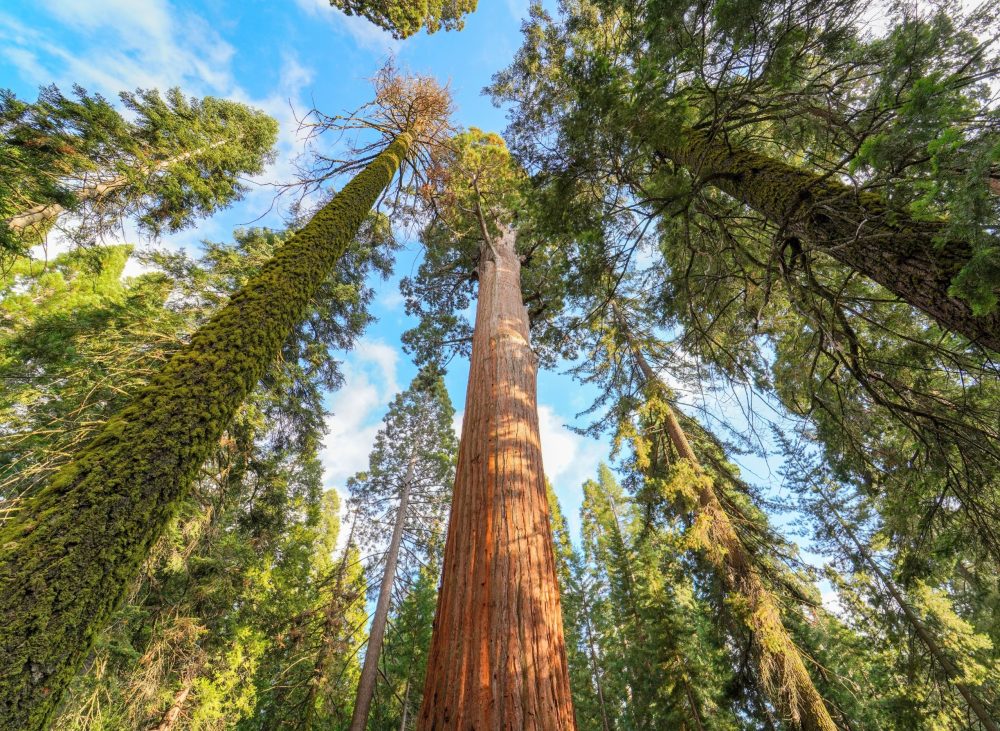
Wildfire poses an increasing threat to the Pacific Northwest’s old-growth forests, which are vital for cooling air, water retention, and biodiversity. A new study from Oregon State University reveals that many mature forests are now at greater risk of severe wildfires, especially in areas historically characterized by low- to mixed-severity fires. The absence of these frequent, low-intensity fires has led to denser tree growth and greater fuel buildup, raising the danger of intense wildfires.
Historically, Indigenous fire stewardship maintained forest health, a practice disrupted by displacement and federal fire suppression policies that began after catastrophic events in the early 20th century. This transition has left older forests vulnerable to extreme wildfires, exacerbated by climate change.
The study highlights the importance of “fire refugia”—areas less prone to severe fires—which can help preserve biodiversity and facilitate recovery. Approximately 20% of severe fire risk can be mitigated through these refugia in the affected regions. The Klamath Mountains are identified as particularly vulnerable, emphasizing the need for targeted protection strategies that are not uniform across all areas.
Overall, the research underscores the urgency of protecting these forests, as they play a crucial role in carbon storage and climate mitigation. Active restoration and understanding of fire dynamics are essential to enhance forest resilience amidst growing wildfire threats.
Source link
