
Close Menu
Terrain News
  • Environmental Science
  • Landforms & Habitats
  • Extreme Events
  • Watershed Restoration
  • Wildfire
What's Hot

Transforming Illegal Ponds into Wildfire Defense Strategies: Insights from BOCC and Upper Ark

Watershed Foundation Hosts Engaging Scientific Symposium

Forest Health and Watershed Restoration Bill Advances in House Committee

Facebook X (Twitter) Instagram
Facebook X (Twitter) Instagram Pinterest
Terrain News
TerrainWorks
  • Environmental Science
  • Landforms & Habitats
  • Extreme Events
  • Watershed Restoration
  • Wildfire
Terrain News
You are at:Home»Watershed & Environmental Science»Innovative Rock Structures for Sustainable Dryland Restoration and Climate Resilience
Watershed & Environmental Science

Innovative Rock Structures for Sustainable Dryland Restoration and Climate Resilience

Terrain NewsBy Terrain NewsApril 8, 2025012 Mins Read
Share Facebook Twitter Pinterest LinkedIn Tumblr Email
Innovative Rock Structures For Sustainable Dryland Restoration And Climate Resilience
Share
Facebook Twitter LinkedIn Pinterest Email

The article discusses the extensive land degradation in the Sky Islands of Arizona and northern Mexico, focusing on the impacts of climate change and habitat health. It highlights the importance of riparian areas and waterways for biodiversity, especially in arid regions where they support a significant proportion of wildlife.

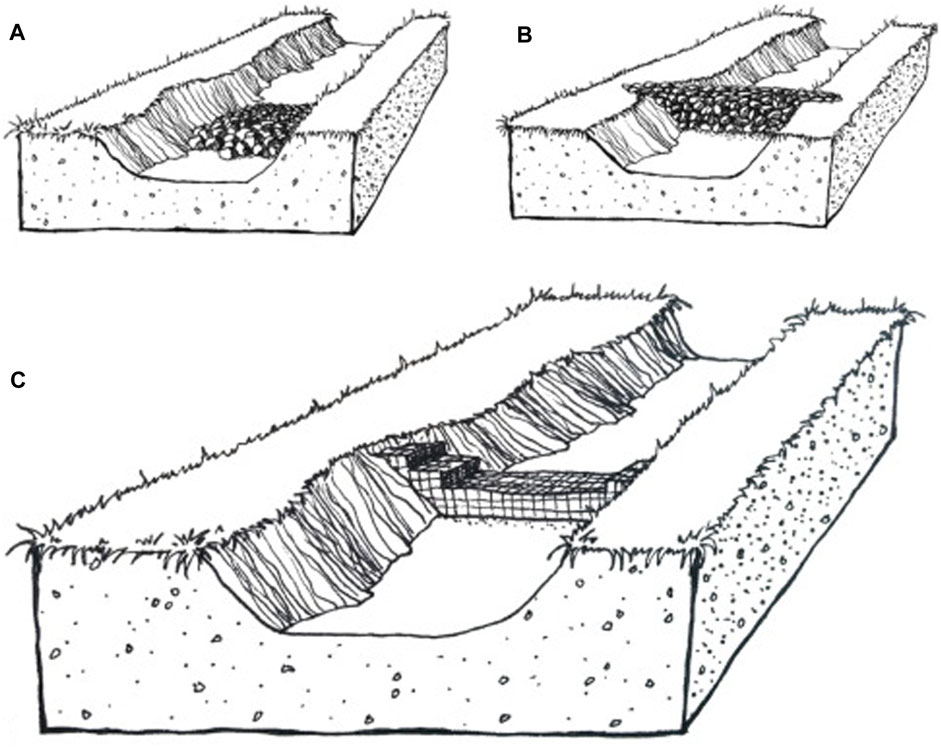
The degradation is driven by factors such as overgrazing, poor soil stability, and water misuse, leading to a decline in ecosystem services essential for human well-being and biodiversity. To combat this, the article advocates for nature-based solutions (NbS) like rock detention structures (RDS), which have been used by Indigenous peoples for centuries. RDS help mitigate erosion, enhance vegetation recovery, and improve water infiltration, thereby restoring ecosystems.

The authors present case studies from four sites in the region, demonstrating the positive effects of RDS installations on stream flow, sedimentation, biodiversity, and resilience to drought and flooding. They highlight the potential for RDS to serve as a low-cost, easily deployable restoration method that encourages community engagement and stewardship.

The study aims to identify the societal impacts of RDS and addresses barriers to broader implementation, such as limited awareness and lack of financing. It calls for more research on the ecological benefits of RDS and suggests leveraging carbon markets to fund restoration projects.

In conclusion, the article emphasizes the potential of RDS as a viable NbS for addressing the ecological and societal challenges posed by climate change while promoting sustainable development in arid regions.

Source link

Climate Dryland Innovative Resilience Restoration Rock Structures Sustainable
Share. Facebook Twitter Pinterest LinkedIn Tumblr Email
Previous ArticleHow Human-Driven Climate Change Intensifies Weather Extremes
Next Article New $6.8 Billion Plan for Wildfire Recovery and Economic Support
leebenda
Terrain News
  • Website

Related Posts

Watershed Foundation Hosts Engaging Scientific Symposium

February 10, 2026

Forest Health and Watershed Restoration Bill Advances in House Committee

February 10, 2026

Engaging Students in Interactive Environmental Learning

February 7, 2026
Top Posts

Steamboat Secures $5 Million for River Revitalization

January 25, 202520 Views

Harnessing Machine Learning to Enhance Extreme Weather Alerts

January 8, 202519 Views

Influence of Stratospheric Conditions on Extreme Weather in North America

February 2, 202515 Views
Stay In Touch
  • Facebook
  • YouTube
  • TikTok
  • WhatsApp
  • Twitter
  • Instagram
Most Popular

Steamboat Secures $5 Million for River Revitalization

January 25, 202520 Views

Harnessing Machine Learning to Enhance Extreme Weather Alerts

January 8, 202519 Views

Influence of Stratospheric Conditions on Extreme Weather in North America

February 2, 202515 Views
Don't Miss

Transforming Illegal Ponds into Wildfire Defense Strategies: Insights from BOCC and Upper Ark

Watershed Foundation Hosts Engaging Scientific Symposium

Forest Health and Watershed Restoration Bill Advances in House Committee

Popular This Week

Edison International: Valuation Insights After Earnings Surprises and Wildfire Securitization Advances

Transforming Illegal Ponds into Wildfire Defense Strategies: Insights from BOCC and Upper Ark

Wildfire Policy Debate Ignites Over Fix Our Forests Act

© 2026 Terrain News. All Rights Reserved.
  • About Us
  • Privacy Policy
  • Terms and Conditions
  • Disclaimer

Type above and press Enter to search. Press Esc to cancel.