


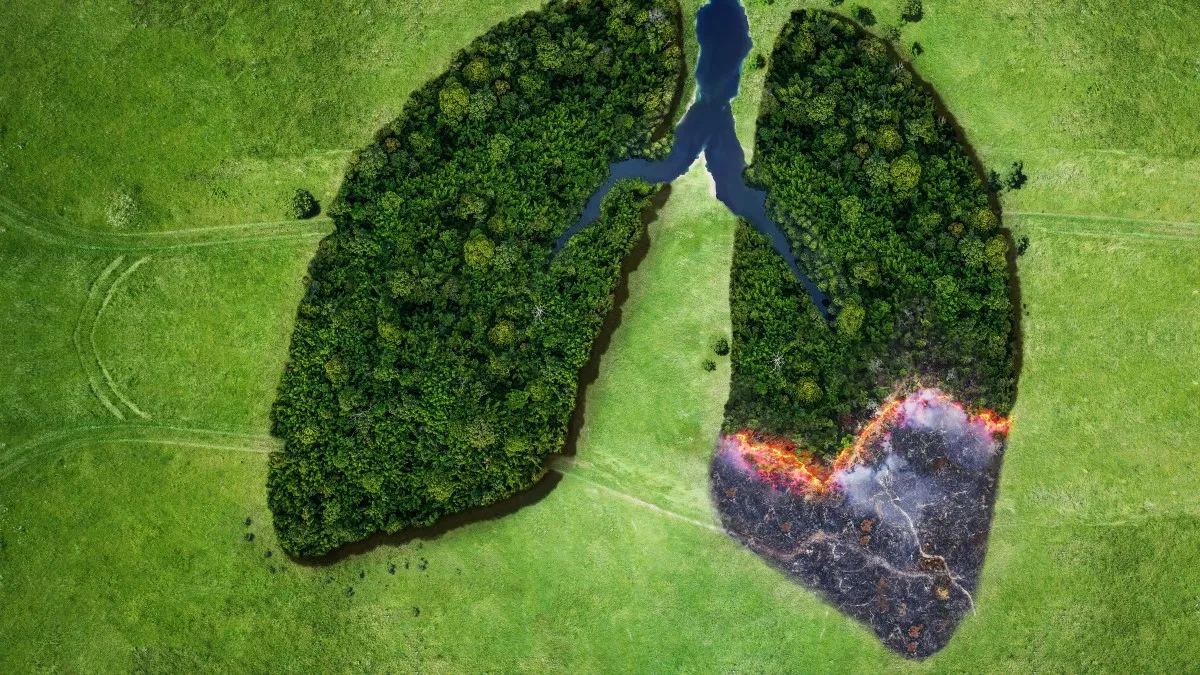
The Copernicus Atmosphere Monitoring Service (CAMS) reported that global wildfire emissions from January to November 2025 reached around 1,380 megatonnes of carbon, marking a notable increase compared to previous years, particularly in the European Union and Canada. Canada contributed approximately 263 megatonnes, its second highest annual total since 2003.
Wildfire emissions rose significantly in regions like North America and South America, while tropical Africa experienced a decline in biomass emissions. Severe fire conditions in 2025 were reported in Spain and Portugal, leading to intensified wildfires and high PM2.5 concentrations that affected air quality across Europe.
The report detailed major wildfires in Greece, Turkey, and Cyprus, with extensive evacuations and fatalities. In the U.S., wildfires around Los Angeles in January caused considerable destruction and economic loss, showing the widespread impact of smoke on air quality.
In contrast, South America experienced one of its lowest wildfire emission years, while Russia and Australia reported increased fire activity. CAMS data provides critical insights for emergency management and air quality monitoring globally, highlighting the interconnectedness of regional wildfire activity and air quality risks.
Source link
