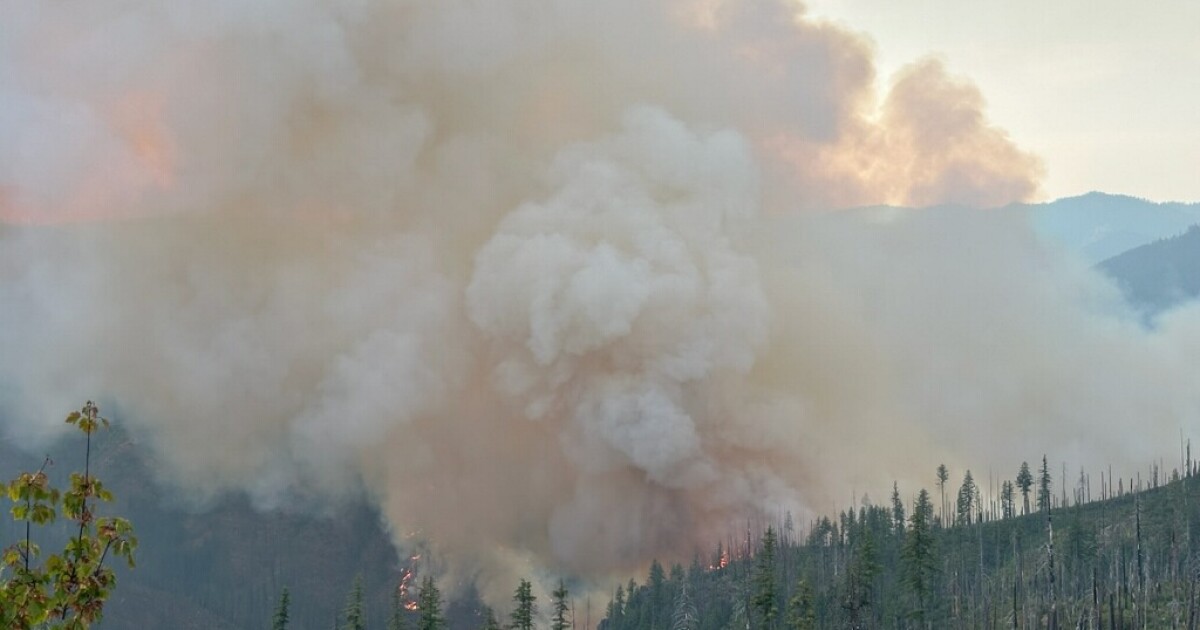

University of Oregon researchers discovered that wildfires can convert chromium III, typically benign in soil, into chromium VI, a carcinogen. In a study at Eight Dollar Mountain, they found that simulated high-temperature fires facilitated this transformation. Lead researcher Matt Polizzotto noted that chromium VI can contaminate dust and drinking water, exceeding EPA limits. This poses potential risks for communities returning post-wildfire, with significant leaching periods exceeding two years. The research aims to enhance risk assessment tools for residents, as current monitoring by the U.S. Forest Service does not include chromium VI. Polizzotto emphasized the need to identify priority pollutants like chromium and nickel in ecological studies of wildfire impacts.
Source link
Wildfires May Foster Cancer-Causing Compounds in Soil, Oregon Researchers Find
 By Terrain News