


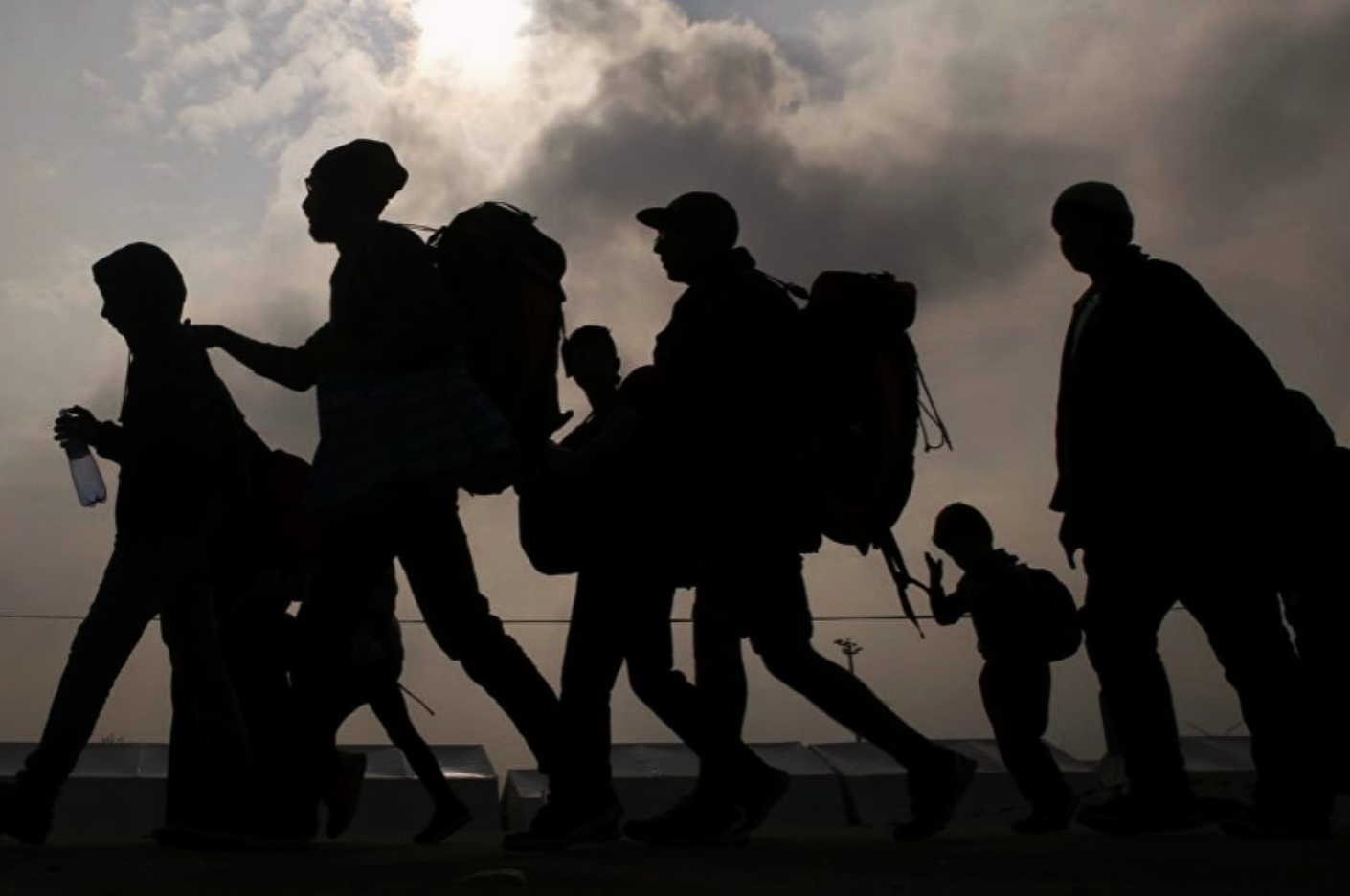
The article discusses the intertwining issues of climate change and migration in Latin America and the Caribbean, highlighting that extreme climate events—such as droughts, floods, and hurricanes—are increasingly forcing people to leave their homes. Up to 17 million individuals may migrate due to climate-related factors by 2050. From 1998 to 2020, over 277 million people were impacted by climate-related disasters in the region, with significant internal displacements occurring in countries like Honduras, Cuba, and Brazil.
Migrants, particularly those reliant on agriculture or fishing, are most vulnerable to climate impacts. Indigenous populations are also being displaced due to environmental changes affecting their ancestral lands. Health impacts include increased heat-related deaths and the spread of infectious diseases linked to climate events.
Addressing these challenges requires integrated strategies from governments, including climate risk assessments and enhanced collaboration across sectors. Initiatives like the LACI aim to improve forecasting and responses to migration and climate crises. Ultimately, solving these issues involves reducing greenhouse gas emissions and tackling social inequities that drive migration in the first place.
Source link
