


Researchers at Penn State’s College of Agricultural Sciences have secured a nearly $309,000 grant from the U.S. Geological Survey to study per- and polyfluoroalkyl substances (PFAS) in small agricultural watersheds of the Chesapeake Bay. These “forever chemicals” can accumulate in the environment and threaten food chains, particularly in farms utilizing biosolids or fluorinated pesticides.
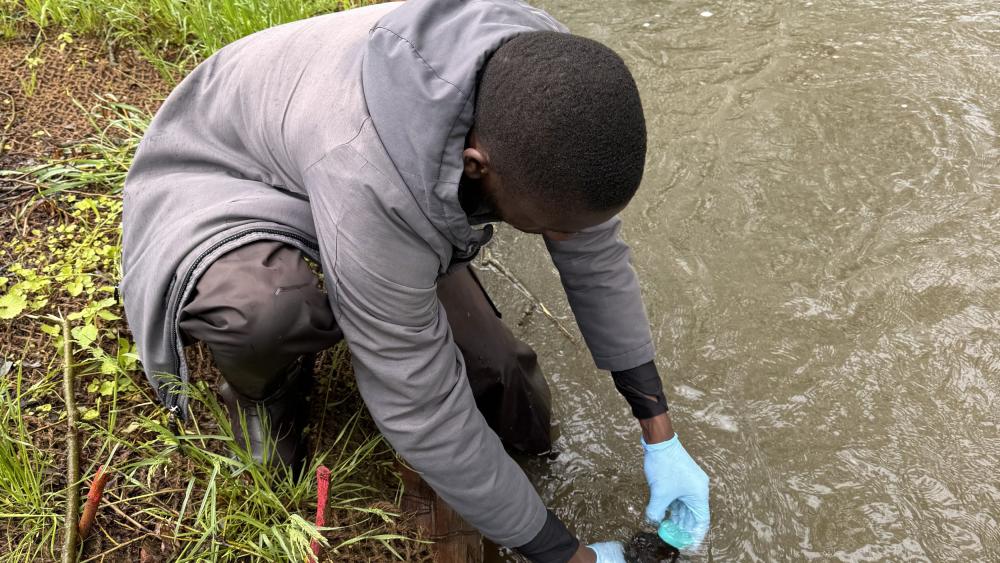
The project aims to help farmers and watershed managers understand PFAS movement and contamination risks. Lead researcher Heather Preisendanz emphasizes the importance of investigating PFAS’s impact on human and ecological health and identifying strategies to mitigate risks. The study will sample surface water, sediment, and aquatic insects, analyzing PFAS alongside other water quality indicators.
Findings will generate new environmental data for local communities and contribute to broader scientific knowledge, aiding in the development of conservation practices for reducing PFAS contamination in water sources. Collaborations for the project include experts in various agricultural and engineering disciplines.
