

Close Menu
Terrain News
  • Environmental Science
  • Landforms & Habitats
  • Extreme Events
  • Watershed Restoration
  • Wildfire
What's Hot

Chemainus River Watershed Water Quality Overview for 2023/24 Wet Season

Comox Valley Nature Discusses Tsolum River Restoration Efforts

What Awaits Austin Next?

Facebook X (Twitter) Instagram
Facebook X (Twitter) Instagram Pinterest
Terrain News
TerrainWorks
  • Environmental Science
  • Landforms & Habitats
  • Extreme Events
  • Watershed Restoration
  • Wildfire
Terrain News
You are at:Home»Watershed & Environmental Science»App Tool Measures Pesticide Toxicity Levels
Watershed & Environmental Science

App Tool Measures Pesticide Toxicity Levels

Terrain NewsBy Terrain NewsFebruary 28, 2025051 Min Read
Share Facebook Twitter Pinterest LinkedIn Tumblr Email
App Tool Measures Pesticide Toxicity Levels
Share
Facebook Twitter LinkedIn Pinterest Email

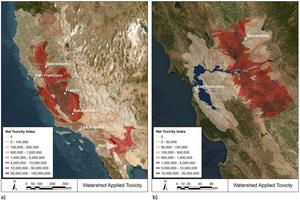
A study by Nicol Parker and Arturo A Keller from the University of California, Santa Barbara, published in PLOS Water, introduces the Environmental Release Tool (ERT), which evaluates the toxicity of pesticides in California’s agricultural watersheds. The ERT, based on US Geological Survey data, analyzes pesticide applications across 140 watersheds, revealing that a few pesticides and crops account for the majority of aquatic toxicity. By focusing on just two pesticides and sixteen sites, mitigation efforts could reduce around 90% of toxicity to aquatic life. The findings indicate that targeting a small number of high-toxicity watersheds could effectively lower overall pesticide environmental impact. However, the tool does not assess risks to human health or broader ecosystem effects. The study emphasizes the potential for selecting less toxic alternatives in agriculture to enhance toxicity reductions.

For access to the full article, visit: PLOS Water

Source link

App Levels Measures Pesticide Tool Toxicity
Share. Facebook Twitter Pinterest LinkedIn Tumblr Email
Previous ArticleRevitalizing Nanticoke Creek: A Watershed Restoration Project
Next Article Race to Protect the Most Vulnerable from Extreme Weather Impacts
leebenda
Terrain News
  • Website

Related Posts

Chemainus River Watershed Water Quality Overview for 2023/24 Wet Season

January 18, 2026

Chesapeake Bay Watershed Agreement Strengthens Partnership for a Sustainable Future

January 17, 2026

Empowering Future Watershed Leaders at Millersville

January 16, 2026
Top Posts

Steamboat Secures $5 Million for River Revitalization

January 25, 202520 Views

Harnessing Machine Learning to Enhance Extreme Weather Alerts

January 8, 202519 Views

Influence of Stratospheric Conditions on Extreme Weather in North America

February 2, 202515 Views
Stay In Touch
  • Facebook
  • YouTube
  • TikTok
  • WhatsApp
  • Twitter
  • Instagram
Most Popular

Steamboat Secures $5 Million for River Revitalization

January 25, 202520 Views

Harnessing Machine Learning to Enhance Extreme Weather Alerts

January 8, 202519 Views

Influence of Stratospheric Conditions on Extreme Weather in North America

February 2, 202515 Views
Don't Miss

Chemainus River Watershed Water Quality Overview for 2023/24 Wet Season

Comox Valley Nature Discusses Tsolum River Restoration Efforts

What Awaits Austin Next?

Popular This Week

Understanding Why Some Fires Turn Catastrophic: Insights from Delos Analysis Post-LA Wildfires

Celebrating the Wonders of Geodiversity: International Geodiversity Day 2023

Anderson Creek Watershed 2024 Dry Season Water Quality Insights

© 2026 Terrain News. All Rights Reserved.
  • About Us
  • Privacy Policy
  • Terms and Conditions
  • Disclaimer

Type above and press Enter to search. Press Esc to cancel.