
Executive Summary
Water is vital for life, and protecting fish habitats in British Columbia (BC) is crucial. The Raincoast Healthy Waters program, initiated in 2023, focuses on community-driven water pollution monitoring in selected BC watersheds. Biannual sampling occurs in summer and winter seasons, with results from the initial winter sampling conducted on December 12, 2023, in partnership with Cowichan Tribes.
Key Findings:
- Water Quality Assessment: Basic properties such as temperature, pH, and turbidity were determined at various sampling sites. Water samples were categorized into five types: source water, stream/rivers, road runoff, tap water, and marine water.
- Contaminant Levels: Road runoff showed the highest contamination, particularly in coliform bacteria and pesticides. Marine water ranked second regarding contamination, showing elevated levels of metals and pharmaceuticals.
- Overall Quality: The Cowichan River watershed generally displayed good water quality. Two instances of Canadian Environmental Quality Guidelines exceedance occurred, but none exceeded Health Canada Drinking Water Quality Guidelines.
Watershed Overview:
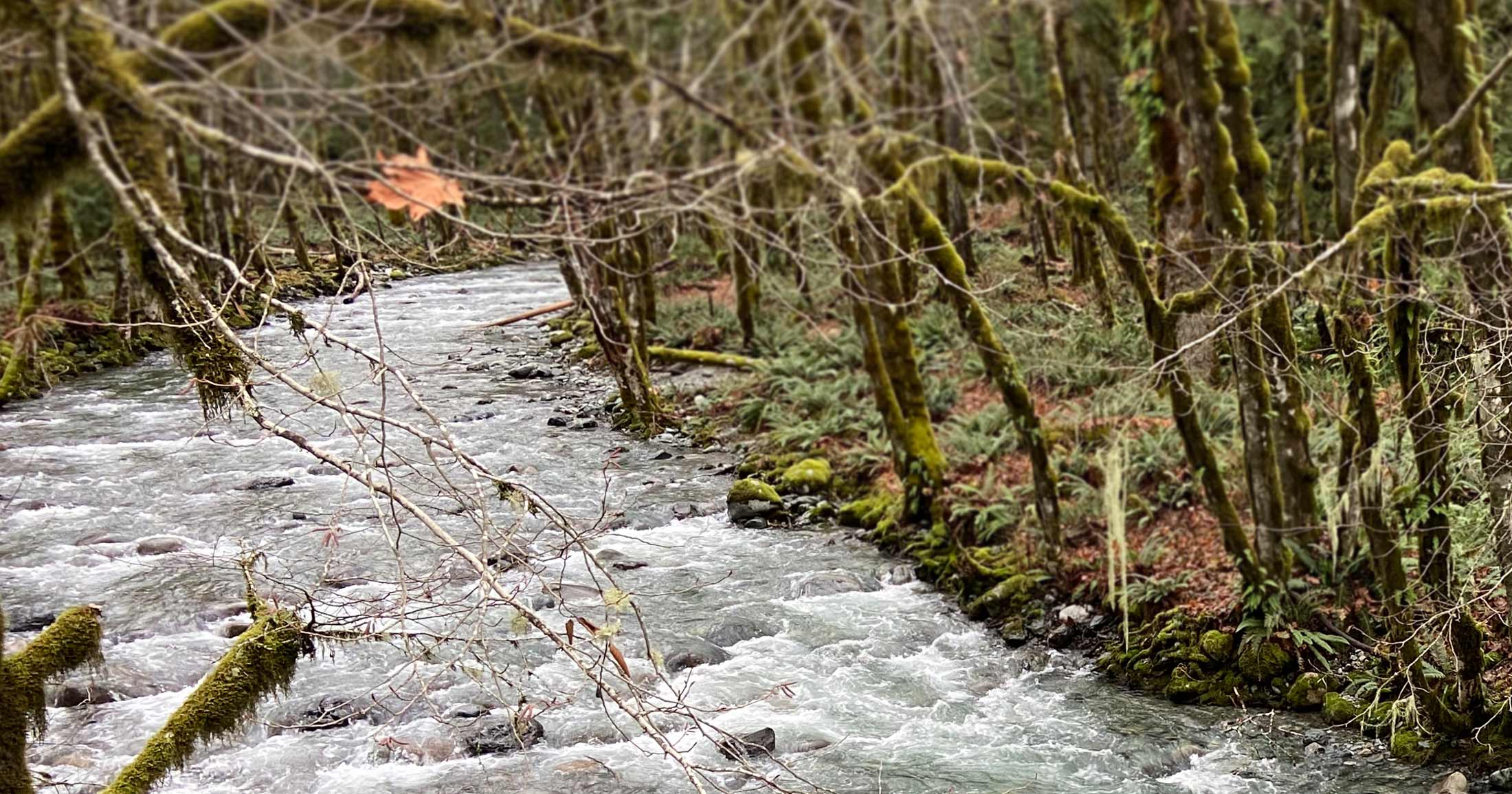
The Cowichan River watershed, covering 921 km², has been inhabited by Cowichan Tribes for thousands of years. The sampling strategy utilized a watershed-based approach to capture a comprehensive view of water quality across various sites.
This preliminary assessment serves as a foundation for ongoing studies to further understand water quality impacts and advocate for watershed health in BC, especially concerning aquatic species and community needs.
