

Close Menu
Terrain News
  • Environmental Science
  • Landforms & Habitats
  • Extreme Events
  • Watershed Restoration
  • Wildfire
What's Hot

Quick Control of Evening Wildfire Near Rollinsville

Join the Dialogue on Table Rock Lake Watershed Plans

Yurok and Round Valley Tribes Unite for Eel River Restoration Treaty

Facebook X (Twitter) Instagram
Facebook X (Twitter) Instagram Pinterest
Terrain News
TerrainWorks
  • Environmental Science
  • Landforms & Habitats
  • Extreme Events
  • Watershed Restoration
  • Wildfire
Terrain News
You are at:Home»Landforms, Processes & Habitats»Harnessing Solar Power: Innovations in Land Use Planning
Landforms, Processes & Habitats

Harnessing Solar Power: Innovations in Land Use Planning

Terrain NewsBy Terrain NewsJanuary 10, 2025021 Min Read
Share Facebook Twitter Pinterest LinkedIn Tumblr Email
Harnessing Solar Power: Innovations In Land Use Planning
Share
Facebook Twitter LinkedIn Pinterest Email

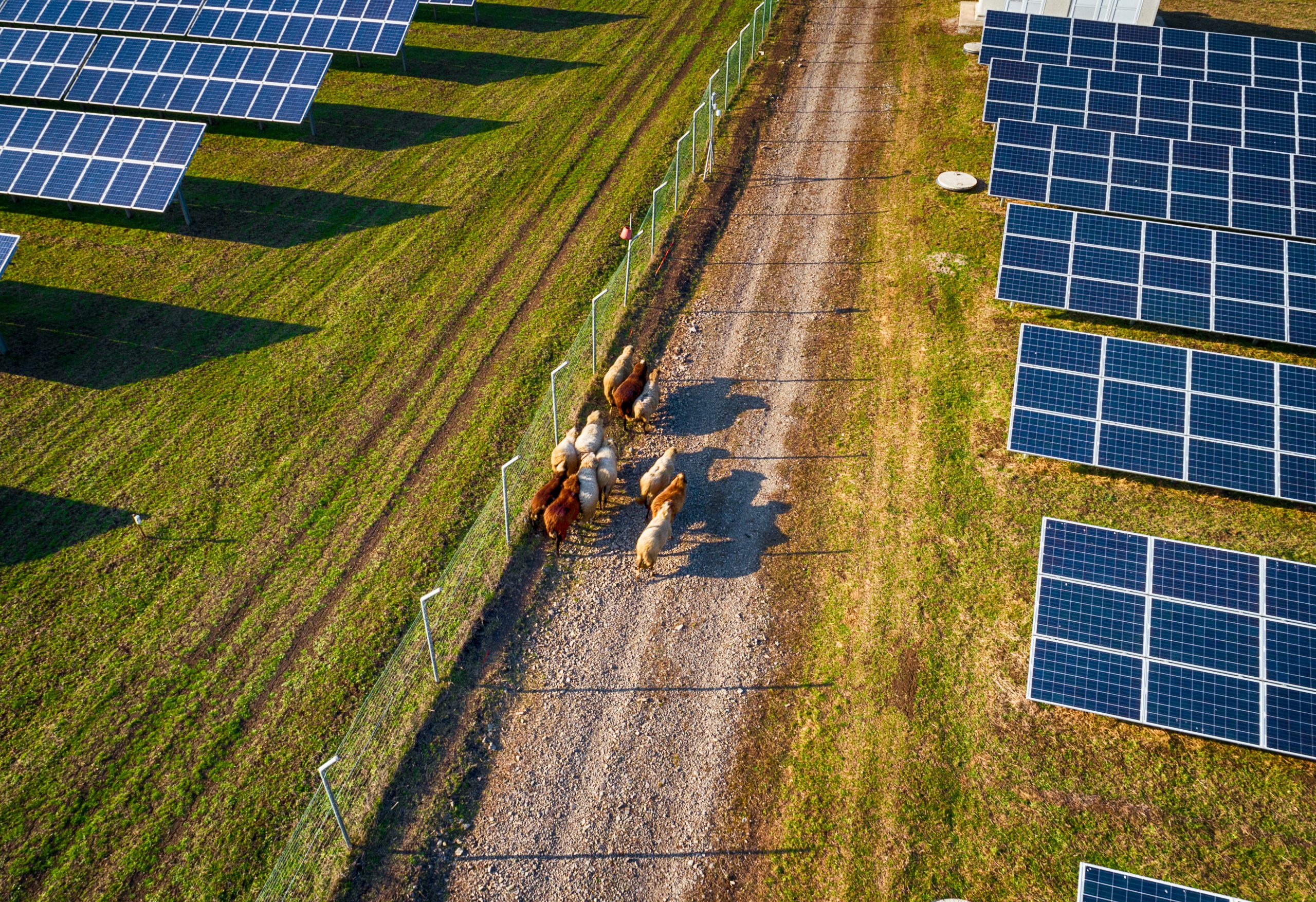
The article discusses the potential and process of solar power development in the U.S., emphasizing its role in achieving carbon emission reduction goals. The U.S. receives enough sunlight in five minutes to meet electricity needs for a month, with the Southwest being particularly suitable for utility-scale solar. On average, solar plants require 5 to 7 acres per megawatt of capacity but can now utilize more challenging terrains thanks to technological advancements.

The siting and permitting process for solar projects is complex, often taking three to five years, especially when projects are on federal land managed by the Bureau of Land Management (BLM). Approval involves extensive environmental studies and community engagement to minimize impacts. Solar projects primarily occur on private land, necessitating local and state approvals, while BLM oversees projects on public land, requiring detailed environmental assessments under the National Environmental Policy Act (NEPA). An official Environmental Impact Statement (EIS) is mandatory before project approval. The Solar Energy Industries Association (SEIA) advocates for efficient permitting practices and supports development on federal land.

Word count: 173 (original article is approximately 421 words)

Source link

Harnessing Innovations Land Planning Power Solar
Share. Facebook Twitter Pinterest LinkedIn Tumblr Email
Previous ArticleWelcome to the Age of Superstorms
Next Article Shaping the Future of the Rio Hondo Watershed Together
leebenda
Terrain News
  • Website

Related Posts

Enhancing Coastal Resilience: A Review of Shore Protection Structures

October 26, 2025

Discovering the Wonders of Geodiversity in Big Cypress National Preserve, Florida

October 24, 2025

Innovative Approaches to Revitalizing Land: The WOTR Conference on Restoration

October 20, 2025
Top Posts

Harnessing Machine Learning to Enhance Extreme Weather Alerts

January 8, 202518 Views

Steamboat Secures $5 Million for River Revitalization

January 25, 202516 Views

Understanding Extreme Weather: The Link to the Climate Crisis

January 8, 202515 Views
Stay In Touch
  • Facebook
  • YouTube
  • TikTok
  • WhatsApp
  • Twitter
  • Instagram
Most Popular

Harnessing Machine Learning to Enhance Extreme Weather Alerts

January 8, 202518 Views

Steamboat Secures $5 Million for River Revitalization

January 25, 202516 Views

Understanding Extreme Weather: The Link to the Climate Crisis

January 8, 202515 Views
Don't Miss

Quick Control of Evening Wildfire Near Rollinsville

Join the Dialogue on Table Rock Lake Watershed Plans

Yurok and Round Valley Tribes Unite for Eel River Restoration Treaty

Popular This Week

Helicopters Battle Wildfires Near Tense North Korea Border

Drought Analysis and Trend Assessment in the Bilate River Watershed, Rift Valley, Ethiopia

Understanding Rossby Waves: Their Impact on Weather and Tides

© 2025 Terrain News. All Rights Reserved.
  • About Us
  • Privacy Policy
  • Terms and Conditions
  • Disclaimer

Type above and press Enter to search. Press Esc to cancel.