

Close Menu
Terrain News
  • Environmental Science
  • Landforms & Habitats
  • Extreme Events
  • Watershed Restoration
  • Wildfire
What's Hot

Wildfires Intensify: Red Cross Prepared to Assist

West Virginia Invests $2.8M in Chesapeake Bay Water Quality Initiatives

USDA Disburses Emergency Livestock Relief for 2023 and 2024 Disasters

Facebook X (Twitter) Instagram
Facebook X (Twitter) Instagram Pinterest
Terrain News
TerrainWorks
  • Environmental Science
  • Landforms & Habitats
  • Extreme Events
  • Watershed Restoration
  • Wildfire
Terrain News
You are at:Home»Extreme Climate & Geophysical Events»Welcome to the Age of Superstorms
Extreme Climate & Geophysical Events

Welcome to the Age of Superstorms

Terrain NewsBy Terrain NewsJanuary 9, 2025021 Min Read
Share Facebook Twitter Pinterest LinkedIn Tumblr Email
Welcome To The Age Of Superstorms
Share
Facebook Twitter LinkedIn Pinterest Email

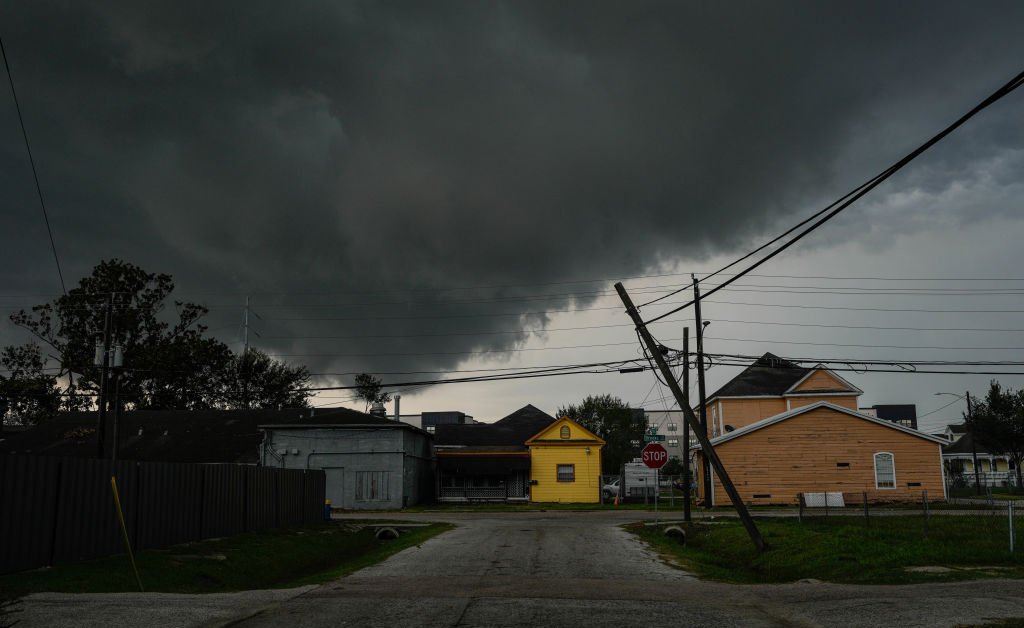
Hurricane Beryl shattered early-season hurricane records, becoming the fastest intensifying and earliest Category 5 storm, with winds reaching 165 mph. This reflects a broader trend of increasing hurricane intensity linked to climate change, particularly rising ocean temperatures, which have risen by 2.8°F globally. From 2017 to 2021, the U.S. experienced more Category 4 and 5 hurricanes than from 1963 to 2016, with storms now lasting longer and moving slower. By 2100, major hurricanes could increase by 20%, including “ultra-intense” storms with winds exceeding 190 mph.

Climate change’s effects are compounding, leading to catastrophic storm surges, extreme rainfall, and rising sea levels, endangering 44 million coastal residents in the U.S. alone. Since 1980, weather disasters have followed the trajectory of CO2 levels, and 2023 recorded unprecedented billion-dollar disasters, driven by severe weather anomalies worldwide. Areas unaccustomed to severe weather may face increased risk due to climate variability.

Despite the alarming trends, immediate action to curb fossil fuel consumption could stabilize hurricane activity. The future, including the persistence or decline of extreme weather, hinges on our response to climate change. It is not predetermined; proactive measures can mitigate disaster risks globally.

Source link

Age Superstorms
Share. Facebook Twitter Pinterest LinkedIn Tumblr Email
Previous ArticleNYC Halts Major Watershed Land Acquisitions
Next Article Harnessing Solar Power: Innovations in Land Use Planning
leebenda
Terrain News
  • Website

Related Posts

The Impact of Global Warming on Russia’s Deadly Heat Wave

February 5, 2026

Climate Change’s Impact on Migration in the Americas

February 4, 2026

Rising Intensity and Frequency of Heatwaves in the Caribbean

January 31, 2026
Top Posts

Steamboat Secures $5 Million for River Revitalization

January 25, 202520 Views

Harnessing Machine Learning to Enhance Extreme Weather Alerts

January 8, 202519 Views

Boosting Carbon Storage: Maximizing Terrestrial Vegetation through Smart Land Management

February 1, 202516 Views
Stay In Touch
  • Facebook
  • YouTube
  • TikTok
  • WhatsApp
  • Twitter
  • Instagram
Most Popular

Steamboat Secures $5 Million for River Revitalization

January 25, 202520 Views

Harnessing Machine Learning to Enhance Extreme Weather Alerts

January 8, 202519 Views

Boosting Carbon Storage: Maximizing Terrestrial Vegetation through Smart Land Management

February 1, 202516 Views
Don't Miss

Wildfires Intensify: Red Cross Prepared to Assist

West Virginia Invests $2.8M in Chesapeake Bay Water Quality Initiatives

USDA Disburses Emergency Livestock Relief for 2023 and 2024 Disasters

Popular This Week

From Flames to Fish: The Remarkable Revival of Toronto’s once-Polluted River

Napeague Park’s Controlled Burns: A Strategy for Wildfire Safety

Chesapeake Bay Watershed Gains $44.2 Million for Restoration Initiatives

© 2026 Terrain News. All Rights Reserved.
  • About Us
  • Privacy Policy
  • Terms and Conditions
  • Disclaimer

Type above and press Enter to search. Press Esc to cancel.