
Close Menu
Terrain News
  • Environmental Science
  • Landforms & Habitats
  • Extreme Events
  • Watershed Restoration
  • Wildfire
What's Hot

Empowering Change for a Sustainable Future

Chemainus River Watershed Water Quality Overview for 2023/24 Wet Season

Comox Valley Nature Discusses Tsolum River Restoration Efforts

Facebook X (Twitter) Instagram
Facebook X (Twitter) Instagram Pinterest
Terrain News
TerrainWorks
  • Environmental Science
  • Landforms & Habitats
  • Extreme Events
  • Watershed Restoration
  • Wildfire
Terrain News
You are at:Home»Landforms, Processes & Habitats»Impact of Historical Land Use on Today’s Mammal Distribution: Insights from Ecology and Archaeology
Landforms, Processes & Habitats

Impact of Historical Land Use on Today’s Mammal Distribution: Insights from Ecology and Archaeology

Terrain NewsBy Terrain NewsApril 22, 2025011 Min Read
Share Facebook Twitter Pinterest LinkedIn Tumblr Email
Impact Of Historical Land Use On Today's Mammal Distribution: Insights
Share
Facebook Twitter LinkedIn Pinterest Email

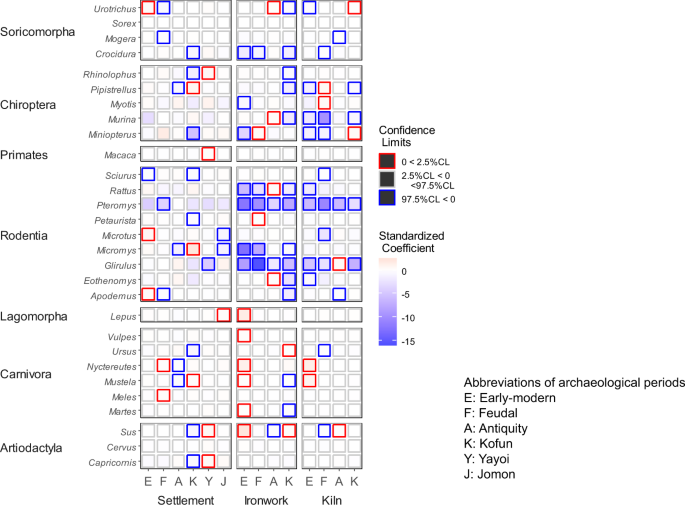
The article “Prehistoric human impact on rainforest biodiversity in highland New Guinea” by Haberle explores how early human activities influenced the biodiversity of rainforest ecosystems in New Guinea. It investigates archaeological evidence indicating human occupation and land use that contributed to environmental changes over time. The findings suggest that prehistoric communities exerted significant pressure on local fauna and flora, shaping biodiversity patterns through hunting, foraging, and habitat alteration. The study emphasizes the interplay between human cultural practices and ecological dynamics, highlighting the legacy of these interactions on contemporary biodiversity. This examination of past human impacts is crucial for understanding current conservation challenges and informing future efforts to preserve and restore rainforest ecosystems.

Source link

Archaeology Distribution Ecology Historical Impact Insights Land Mammal Todays
Share. Facebook Twitter Pinterest LinkedIn Tumblr Email
Previous ArticleReviving the Klamath: Yurok Tribe’s Restoration Journey
Next Article Community Engagement Meets Watershed Science in Nisha Nadkarni’s Vision
leebenda
Terrain News
  • Website

Related Posts

Understanding Why Some Fires Turn Catastrophic: Insights from Delos Analysis Post-LA Wildfires

January 15, 2026

Whychus Insights: Unveiling the Source in the Upper Deschutes Watershed

January 13, 2026

Innovative Insights from Alexey Voinov at AAAS

January 10, 2026
Top Posts

Steamboat Secures $5 Million for River Revitalization

January 25, 202520 Views

Harnessing Machine Learning to Enhance Extreme Weather Alerts

January 8, 202519 Views

Influence of Stratospheric Conditions on Extreme Weather in North America

February 2, 202515 Views
Stay In Touch
  • Facebook
  • YouTube
  • TikTok
  • WhatsApp
  • Twitter
  • Instagram
Most Popular

Steamboat Secures $5 Million for River Revitalization

January 25, 202520 Views

Harnessing Machine Learning to Enhance Extreme Weather Alerts

January 8, 202519 Views

Influence of Stratospheric Conditions on Extreme Weather in North America

February 2, 202515 Views
Don't Miss

Empowering Change for a Sustainable Future

Chemainus River Watershed Water Quality Overview for 2023/24 Wet Season

Comox Valley Nature Discusses Tsolum River Restoration Efforts

Popular This Week

Understanding Why Some Fires Turn Catastrophic: Insights from Delos Analysis Post-LA Wildfires

Celebrating the Wonders of Geodiversity: International Geodiversity Day 2023

Anderson Creek Watershed 2024 Dry Season Water Quality Insights

© 2026 Terrain News. All Rights Reserved.
  • About Us
  • Privacy Policy
  • Terms and Conditions
  • Disclaimer

Type above and press Enter to search. Press Esc to cancel.