

Close Menu
Terrain News
  • Environmental Science
  • Landforms & Habitats
  • Extreme Events
  • Watershed Restoration
  • Wildfire
What's Hot

Firefighters Contain Wildfire Threat in South Lake Tahoe

Join Us for a River Cleanup and Habitat Restoration on October 17

Boosting Upper Cumberland Fuel Moisture with Rainfall

Facebook X (Twitter) Instagram
Facebook X (Twitter) Instagram Pinterest
Terrain News
TerrainWorks
  • Environmental Science
  • Landforms & Habitats
  • Extreme Events
  • Watershed Restoration
  • Wildfire
Terrain News
You are at:Home»Wildfire»Impact of Wildfires on Children’s Brain Development
Wildfire

Impact of Wildfires on Children’s Brain Development

Terrain NewsBy Terrain NewsAugust 19, 2025002 Mins Read
Share Facebook Twitter Pinterest LinkedIn Tumblr Email
Impact Of Wildfires On Children's Brain Development
Share
Facebook Twitter LinkedIn Pinterest Email

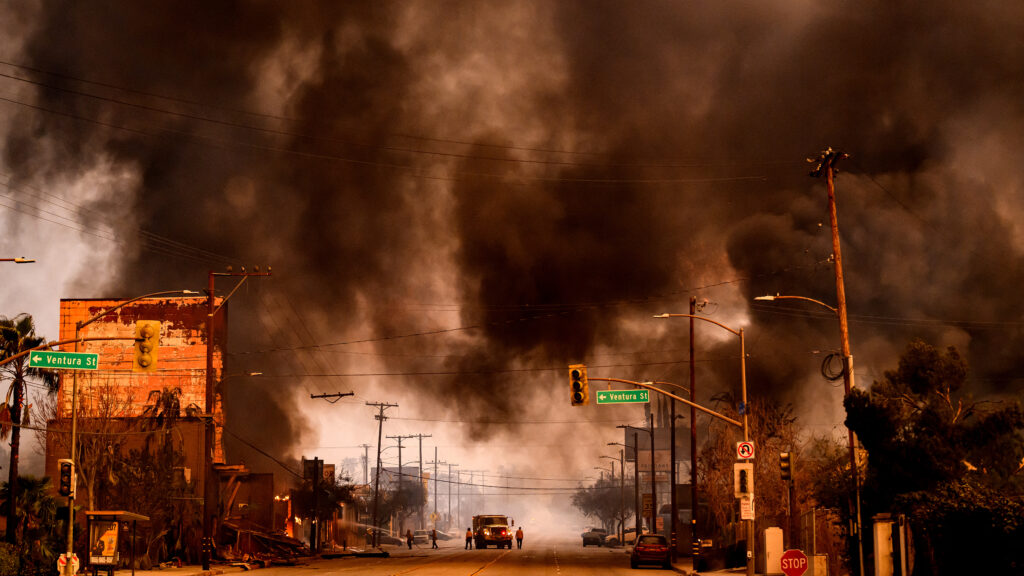
In January, devastating wildfires in Los Angeles County resulted in at least 30 fatalities, over 200,000 evacuations, and the destruction of 18,000 homes. A study linked these fires to 440 excess deaths, emphasizing the severe neurological and health impacts yet to emerge.

Research from the Neuro Climate Working Group highlights that critical developmental alterations may not manifest until years later. Wildfire smoke exposure can negatively affect fetal brain development, increasing risks of attention and learning issues in children. It can also heighten dementia risks and impair cognitive functions in disaster survivors long after the event.

Children, particularly vulnerable during early development, face the most significant threats from pollutants released during wildfires. The compounded effects of trauma and air pollution, termed “climate trauma,” lead to measurable cognitive impairments. Moreover, emerging evidence suggests these effects can be passed down through generations via epigenetic inheritance.

Current disaster response systems inadequately address these long-term neurological impacts, focusing primarily on immediate needs. Many affected communities, especially low-income and minority neighborhoods, lack access to necessary health resources, perpetuating disparities.

To address these challenges, there is a pressing need for a rethinking of disaster measurements to include neurological health in emergency responses, urban planning, and policy discussions. Timely intervention can leverage the brain’s neuroplasticity to support recovery, but immediate action is crucial as the climate crisis worsens, presenting a dual emergency for environmental and cognitive health.

Source link

Brain Childrens Development Impact Wildfires
Share. Facebook Twitter Pinterest LinkedIn Tumblr Email
Previous ArticleExploring Watershed Restoration After New Mexico’s Largest Fire
Next Article Shamokin Creek Alliance Unveils Upper Watershed Restoration Plan at Upcoming Meeting
leebenda
Terrain News
  • Website

Related Posts

Firefighters Contain Wildfire Threat in South Lake Tahoe

October 10, 2026

Boosting Upper Cumberland Fuel Moisture with Rainfall

October 9, 2026

Firefighters Take a Moment to Aid a Thirsty Little Survivor Amid Wildfire Struggle

October 8, 2026
Top Posts

Steamboat Secures $5 Million for River Revitalization

January 25, 202523 Views

Impact of Glacier Retreat on Land Use and Ecosystem Services in High Andes

February 3, 202521 Views

Assessing Climate Change and Human Influence on Runoff in a South China Tropical Watershed

February 3, 202520 Views
Stay In Touch
  • Facebook
  • YouTube
  • TikTok
  • WhatsApp
  • Twitter
  • Instagram
Most Popular

Steamboat Secures $5 Million for River Revitalization

January 25, 202523 Views

Impact of Glacier Retreat on Land Use and Ecosystem Services in High Andes

February 3, 202521 Views

Assessing Climate Change and Human Influence on Runoff in a South China Tropical Watershed

February 3, 202520 Views
Don't Miss

Firefighters Contain Wildfire Threat in South Lake Tahoe

Join Us for a River Cleanup and Habitat Restoration on October 17

Boosting Upper Cumberland Fuel Moisture with Rainfall

Popular This Week

Harnessing AI to Predict Extreme Weather Events

Decoding Climate Disasters: Insights from Decades of Data on Fatalities

Revitalizing the Merrimack River: $228K Grant Boosts Restoration Efforts

© 2026 Terrain News. All Rights Reserved.
  • About Us
  • Privacy Policy
  • Terms and Conditions
  • Disclaimer

Type above and press Enter to search. Press Esc to cancel.