

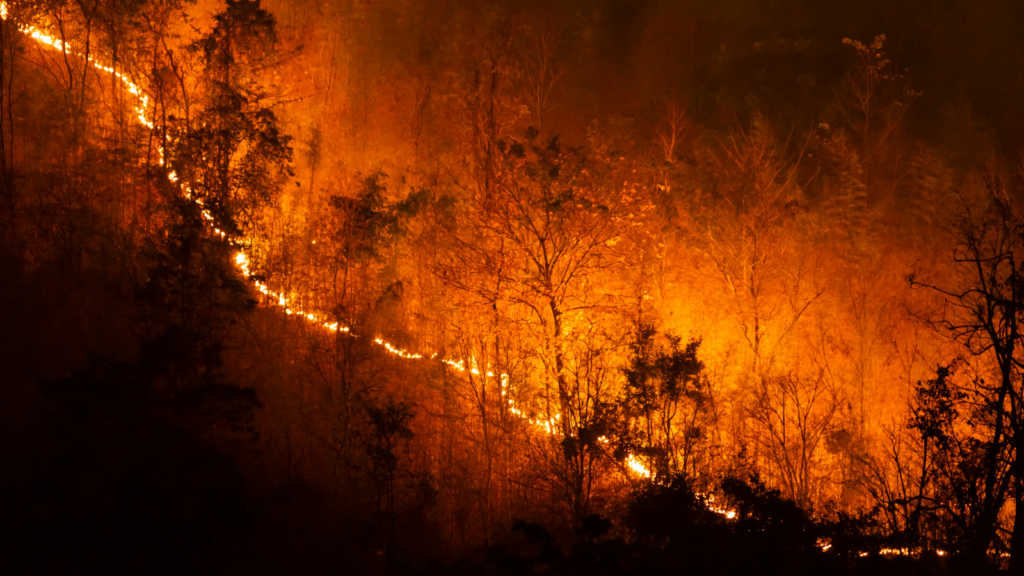
Wildfire risk is escalating faster than containment systems can keep up, leading to broader ecological and societal disruptions. These fires now impact public health, housing, energy systems, and local governance, as they recur annually, compounding costs and stress on communities.
The insurance industry is a major driver in wildfire innovation, pushing for risk-reducing solutions through stricter coverage policies. This shift is transitioning wildfire technology from detection to integrated systems that demonstrate tangible results.
Key trends in wildfire technology include:
-
Solution Stacking: Integrating detection with immediate suppression efforts, as seen with companies like Dryad and Seneca.
-
Suppression Opportunities: Aerial and ground robotics are evolving toward more automated methods, addressing a crucial gap in the market.
-
Asset Protection Scale: Data-led intelligence and mechanized treatments are emerging to manage resources effectively.
- Geographical Expansion: While California remains a key testing ground, solutions need to adapt to diverse regions and constraints.
By 2026, the market will likely prioritize integrated platforms that provide measurable outcomes, shaping the future of wildfire management beyond mere environmental challenges.
