

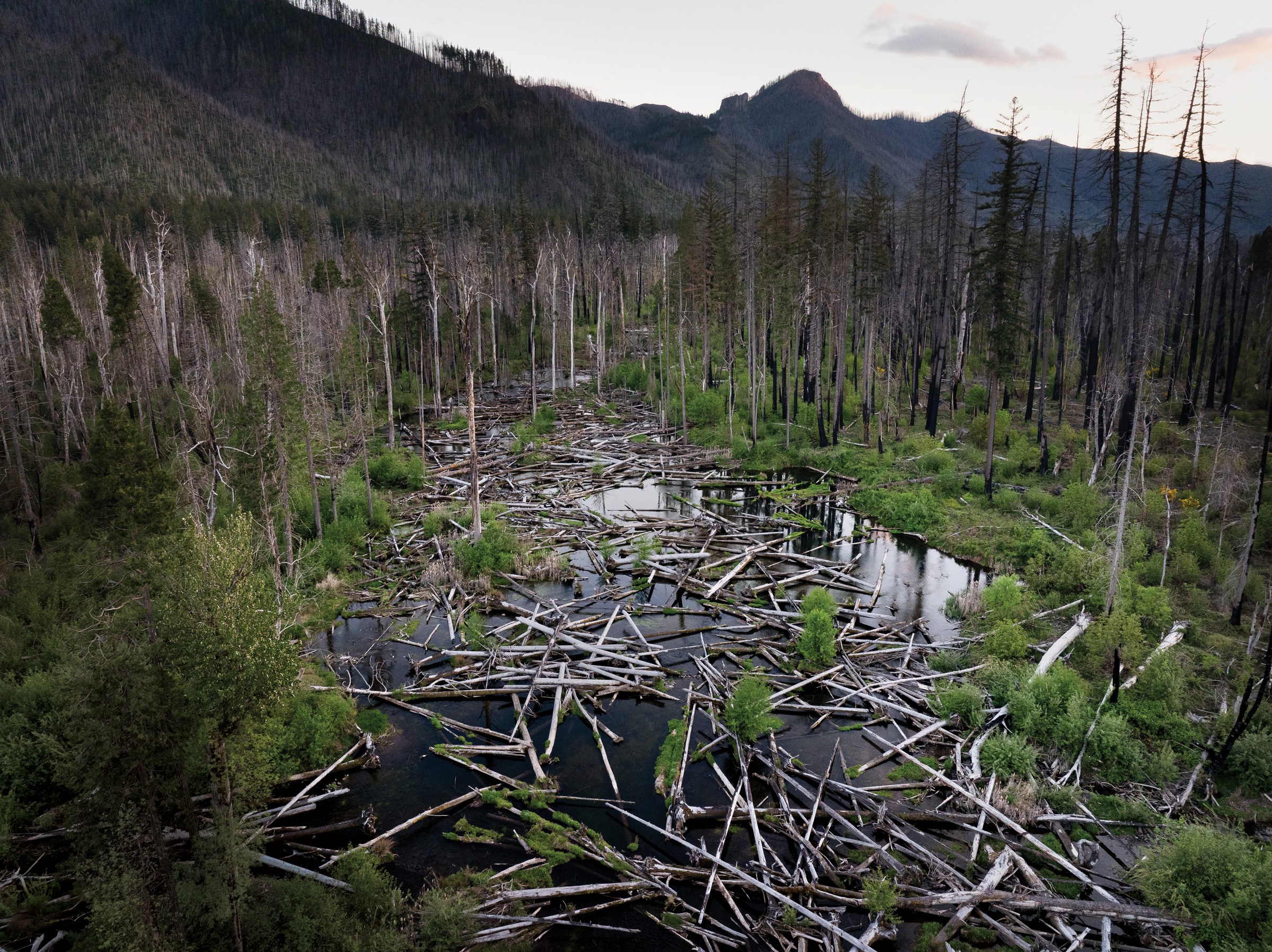
In the article “The Way of the River,” Jaclyn Moyer examines the restoration efforts in Quartz Creek, Oregon, informed by a revolutionary approach called Stage 0, which aims to revert canal-like channels back to dynamic wetland-stream complexes. This method, emerging in response to the ecological damage caused by Euro-American settlers, seeks to enlarge habitats for species like the endangered Upper Willamette River chinook salmon.
Historically, Quartz Creek was shaped by natural erosive processes, nurturing diverse ecosystems that local Indigenous tribes relied on for sustenance. However, settler interventions, including drainage ditches and straightening channels, diminished the biodiversity and health of the watershed. The current restoration project harnesses modern technology and methodologies to reshape the valley, involving extensive disruption but aimed at enhancing ecological resilience against climate extremes.
Critics express concerns about the experimental nature of Stage 0, citing the risks of unforeseen outcomes, particularly in high-energy environments. Proponents, however, argue that empowering natural processes to reshape the river offers the best chance for long-term recovery, increasing habitat complexity and potentially improving biodiversity. Observations from previous Stage 0 projects show promise for fish populations, yet questions linger about the long-term effectiveness and implications of such drastic interventions.
Moyer highlights the intertwining themes of hope and vulnerability in this innovative restoration endeavor, acknowledging that while the outcomes are uncertain, they represent a significant shift in understanding river ecology and restoration methodologies.
Source link
