

Close Menu
Terrain News
  • Environmental Science
  • Landforms & Habitats
  • Extreme Events
  • Watershed Restoration
  • Wildfire
What's Hot

What Awaits Austin Next?

Chesapeake Bay Watershed Agreement Strengthens Partnership for a Sustainable Future

Coordinated Efforts for Watershed Restoration Projects

Facebook X (Twitter) Instagram
Facebook X (Twitter) Instagram Pinterest
Terrain News
TerrainWorks
  • Environmental Science
  • Landforms & Habitats
  • Extreme Events
  • Watershed Restoration
  • Wildfire
Terrain News
You are at:Home»Wildfire»Vermont’s Growing Wildfire Smoke: The Impact of Climate Change
Wildfire

Vermont’s Growing Wildfire Smoke: The Impact of Climate Change

Terrain NewsBy Terrain NewsAugust 21, 2025011 Min Read
Share Facebook Twitter Pinterest LinkedIn Tumblr Email
Vermont's Growing Wildfire Smoke: The Impact Of Climate Change
Share
Facebook Twitter LinkedIn Pinterest Email

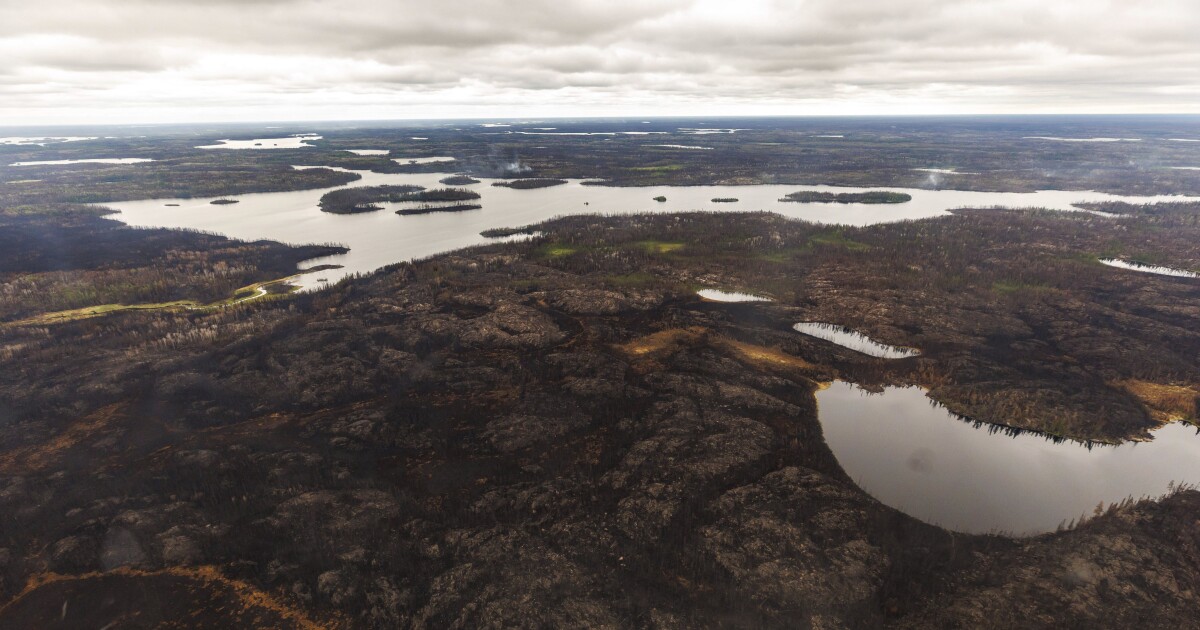
This summer, Vermont has experienced multiple days of unhealthy air quality due to wildfire smoke, primarily from Canadian fires. Historically, wildfires were a natural part of the region’s ecosystem, but the recent increase in smoky days—surpassing 72 this year—marks a concerning trend. The 2023 wildfire season in Canada was particularly severe, fueled by prolonged drought and human activities.

Climate change is intensifying these conditions, as rising temperatures and droughts make forests more flammable. Without effective land management in remote areas, the frequency and intensity of wildfires are increasing. Health experts emphasize the dangers of PM2.5 particles found in smoke, which can lead to severe health problems.

To mitigate risks, individuals are advised to use protective measures, such as wearing masks and reducing outdoor activities during smoky conditions. Overall, experts predict that poor air quality from wildfire smoke will become a persistent issue in the Northeast due to climate change.

Source link

Change Climate Growing Impact Smoke Vermonts Wildfire
Share. Facebook Twitter Pinterest LinkedIn Tumblr Email
Previous ArticleRenewed Life for Klamath River Tributaries After Historic Dam Removal
Next Article Explore Nature: Free Biking and Hiking Workshops in September at The Watershed Center
leebenda
Terrain News
  • Website

Related Posts

What Awaits Austin Next?

January 17, 2026

Wildfire in Georgia Under Control After 10-Acre Blaze Destroys Camper

January 16, 2026

Understanding Why Some Fires Turn Catastrophic: Insights from Delos Analysis Post-LA Wildfires

January 15, 2026
Top Posts

Steamboat Secures $5 Million for River Revitalization

January 25, 202520 Views

Harnessing Machine Learning to Enhance Extreme Weather Alerts

January 8, 202519 Views

Influence of Stratospheric Conditions on Extreme Weather in North America

February 2, 202515 Views
Stay In Touch
  • Facebook
  • YouTube
  • TikTok
  • WhatsApp
  • Twitter
  • Instagram
Most Popular

Steamboat Secures $5 Million for River Revitalization

January 25, 202520 Views

Harnessing Machine Learning to Enhance Extreme Weather Alerts

January 8, 202519 Views

Influence of Stratospheric Conditions on Extreme Weather in North America

February 2, 202515 Views
Don't Miss

What Awaits Austin Next?

Chesapeake Bay Watershed Agreement Strengthens Partnership for a Sustainable Future

Coordinated Efforts for Watershed Restoration Projects

Popular This Week

Understanding Why Some Fires Turn Catastrophic: Insights from Delos Analysis Post-LA Wildfires

Celebrating the Wonders of Geodiversity: International Geodiversity Day 2023

Anderson Creek Watershed 2024 Dry Season Water Quality Insights

© 2026 Terrain News. All Rights Reserved.
  • About Us
  • Privacy Policy
  • Terms and Conditions
  • Disclaimer

Type above and press Enter to search. Press Esc to cancel.