

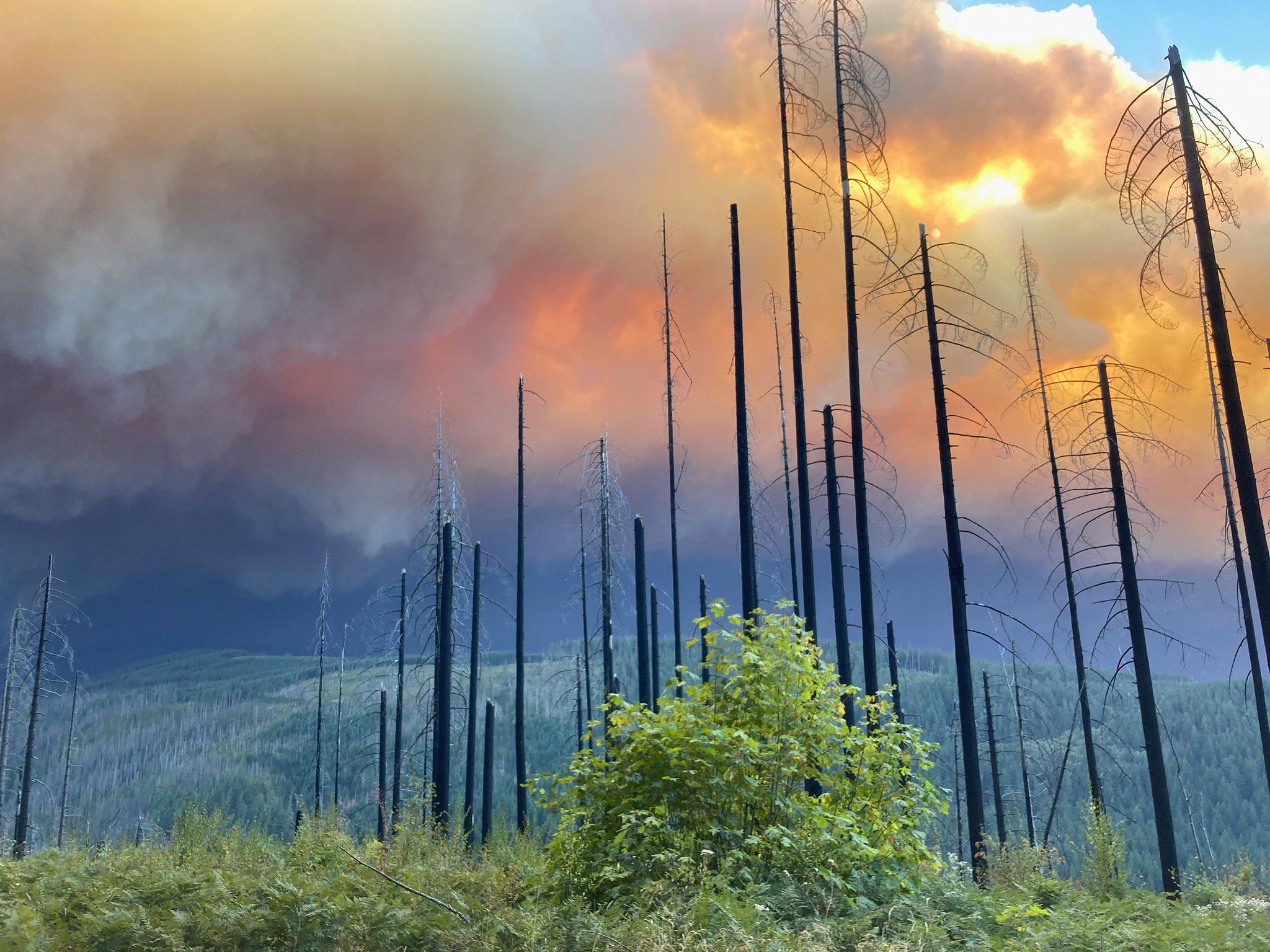
A new study from Portland State University indicates that wildfires in Oregon’s Clackamas Basin, a key drinking water source for Portland, may become more frequent due to climate change. The research, led by Andy McEvoy, suggests that factors like rising temperatures and humidity will extend fire seasons and worsen fire weather, potentially leading to a significant increase in wildfire hazard by mid-century. The study simulated four climate scenarios for 2040-2069, which revealed fire seasons could lengthen by 8 to 32 days, with annual burned areas increasing by 50% to 540%.
McEvoy emphasizes the importance of planning for a range of plausible scenarios, as managers need to prepare for worst-case events, not just averages. The findings can help regional planners develop adaptation and risk mitigation strategies, including fuel breaks and evacuation plans. Overall, the study underscores the need for robust management strategies to cope with an uncertain future regarding wildfire risks.
Reference: McEvoy et al., 2020, Fire journal.
