


Researchers at Penn State’s College of Agricultural Sciences have secured a $309,000 grant from the U.S. Geological Survey to study per- and polyfluoroalkyl substances (PFAS) in small agricultural watersheds within the Chesapeake Bay area. The project aims to help farmers and watershed managers understand and mitigate contamination risks associated with these “forever chemicals,” which can persist in soil and water and affect food safety.
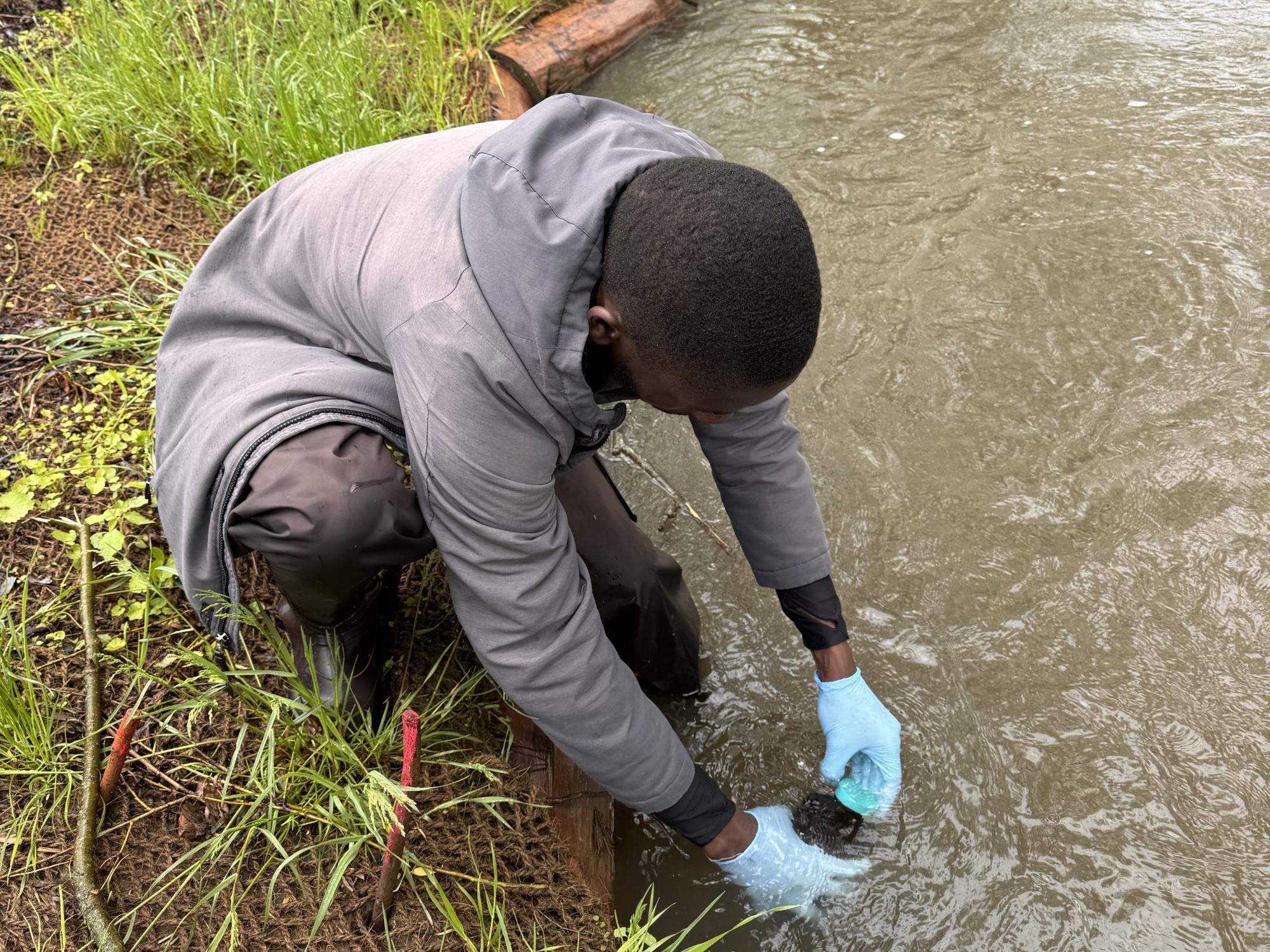
Led by Heather Preisendanz, the study will explore how PFAS move through landscapes, their risks to human health and ecosystems, and strategies for reducing contamination. Researchers will analyze surface water, sediment, and aquatic insects to assess PFAS transport, compare it with water quality indicators, and evaluate impacts on aquatic life.
The findings are expected to inform local communities and contribute to the scientific understanding of PFAS sources and transport, while also aiding the development of conservation practices to mitigate water quality issues. The interdisciplinary team includes specialists from various fields, enhancing the study’s comprehensive approach.
