

Close Menu
Terrain News
  • Environmental Science
  • Landforms & Habitats
  • Extreme Events
  • Watershed Restoration
  • Wildfire
What's Hot

Applications Open for Mini-Grants to Enhance Streams and Watersheds in the Susquehanna River Basin

Wildfire Mitigation Efforts Halted to Safeguard Spotted Owls near Mount Shasta

QTS Data Centers Invests $1 Billion for Water Positive Future by 2035

Facebook X (Twitter) Instagram
Facebook X (Twitter) Instagram Pinterest
Terrain News
TerrainWorks
  • Environmental Science
  • Landforms & Habitats
  • Extreme Events
  • Watershed Restoration
  • Wildfire
Terrain News
You are at:Home»Watershed & Environmental Science»Assessing Climate Change and Human Influence on Runoff in a South China Tropical Watershed
Watershed & Environmental Science

Assessing Climate Change and Human Influence on Runoff in a South China Tropical Watershed

Terrain NewsBy Terrain NewsFebruary 3, 20250202 Mins Read
Share Facebook Twitter Pinterest LinkedIn Tumblr Email
Assessing Climate Change And Human Influence On Runoff In A
Share
Facebook Twitter LinkedIn Pinterest Email

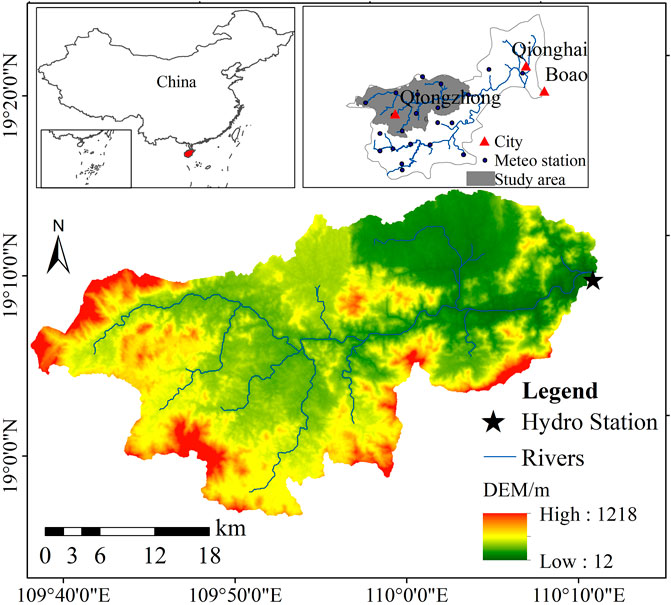
The article delves into the impacts of climate change and human activities on hydrological processes, specifically focusing on the Wanquan River Basin in Hainan Province, China. It outlines that both long-term climate shifts (like changes in temperature and precipitation) and short-term human interventions (such as land use changes) significantly affect water resources. The study utilizes the SWAT model to quantify these impacts, emphasizing the transitions from natural forests to rubber plantations, which alter the hydrological cycles by affecting processes like evapotranspiration and runoff.

The study identifies 1990 as a critical change point in runoff data, differentiating periods of hydrological response before and after this year. The results show that human activities are the primary driver of runoff changes, accounting for about 45.12% of runoff variations, while climate change contributes 44.05%, and land use change alone impacts it by 10.83%. The SWAT model proves to be effective for simulating the runoff processes, taking a broad array of hydrometeorological data into account.

Key findings include significant vegetation cover alterations due to economic pressures, resulting in detrimental effects on hydrology, such as heightened evapotranspiration and reduced runoff, particularly linked to increased rubber plantation areas. Overall, the article concludes that both climate and anthropogenic changes critically govern runoff dynamics in the Wanquan River Basin, underscoring the need for careful water resource management in response to these transformations.

Source link

Assessing Change China Climate Human Influence Runoff South Tropical Watershed
Share. Facebook Twitter Pinterest LinkedIn Tumblr Email
Previous ArticleImpact of Glacier Retreat on Land Use and Ecosystem Services in High Andes
Next Article Legislation Aims to Tackle Wildfire Threats
leebenda
Terrain News
  • Website

Related Posts

Funding Boost for Watershed Projects in Berks Through Schuylkill River Restoration Fund

September 14, 2026

Empowering Students to Tackle Environmental Challenges with GIS Skills

September 13, 2026

Celebrating Water Quality Progress in the Schuylkill River Watershed

September 13, 2026
Top Posts

Steamboat Secures $5 Million for River Revitalization

January 25, 202523 Views

Assessing Climate Change and Human Influence on Runoff in a South China Tropical Watershed

February 3, 202520 Views

Impact of Glacier Retreat on Land Use and Ecosystem Services in High Andes

February 3, 202520 Views
Stay In Touch
  • Facebook
  • YouTube
  • TikTok
  • WhatsApp
  • Twitter
  • Instagram
Most Popular

Steamboat Secures $5 Million for River Revitalization

January 25, 202523 Views

Assessing Climate Change and Human Influence on Runoff in a South China Tropical Watershed

February 3, 202520 Views

Impact of Glacier Retreat on Land Use and Ecosystem Services in High Andes

February 3, 202520 Views
Don't Miss

Applications Open for Mini-Grants to Enhance Streams and Watersheds in the Susquehanna River Basin

Wildfire Mitigation Efforts Halted to Safeguard Spotted Owls near Mount Shasta

QTS Data Centers Invests $1 Billion for Water Positive Future by 2035

Popular This Week

The Ecological Consequences of Land Reclamation in Hong Kong

Enhancing Watershed Management through Hydrological Connectivity in a Changing Landscape

Are Natural Disasters on the Rise?

© 2026 Terrain News. All Rights Reserved.
  • About Us
  • Privacy Policy
  • Terms and Conditions
  • Disclaimer

Type above and press Enter to search. Press Esc to cancel.