

Close Menu
Terrain News
  • Environmental Science
  • Landforms & Habitats
  • Extreme Events
  • Watershed Restoration
  • Wildfire
What's Hot

Sarasota County Launches Significant Watershed Restoration Initiative

Firefighters Contain Wildfire Threat in South Lake Tahoe

Join Us for a River Cleanup and Habitat Restoration on October 17

Facebook X (Twitter) Instagram
Facebook X (Twitter) Instagram Pinterest
Terrain News
TerrainWorks
  • Environmental Science
  • Landforms & Habitats
  • Extreme Events
  • Watershed Restoration
  • Wildfire
Terrain News
You are at:Home»Watershed & Environmental Science»Assessing Changes in Watershed Habitat Quality Due to Human Impact
Watershed & Environmental Science

Assessing Changes in Watershed Habitat Quality Due to Human Impact

Terrain NewsBy Terrain NewsFebruary 7, 2025092 Mins Read
Share Facebook Twitter Pinterest LinkedIn Tumblr Email
Assessing Changes In Watershed Habitat Quality Due To Human Impact
Share
Facebook Twitter LinkedIn Pinterest Email

Summary:

Habitat quality (HQ) is crucial for species development and ecosystem security, particularly in the context of rising land use changes due to population growth and economic development. The demand for land has led to significant habitat degradation, threatening biodiversity. Traditional HQ assessments, which relied on extensive field surveys, have shifted towards using advanced remote sensing technologies and ecological models like InVEST, which efficiently evaluate HQ across different scales.

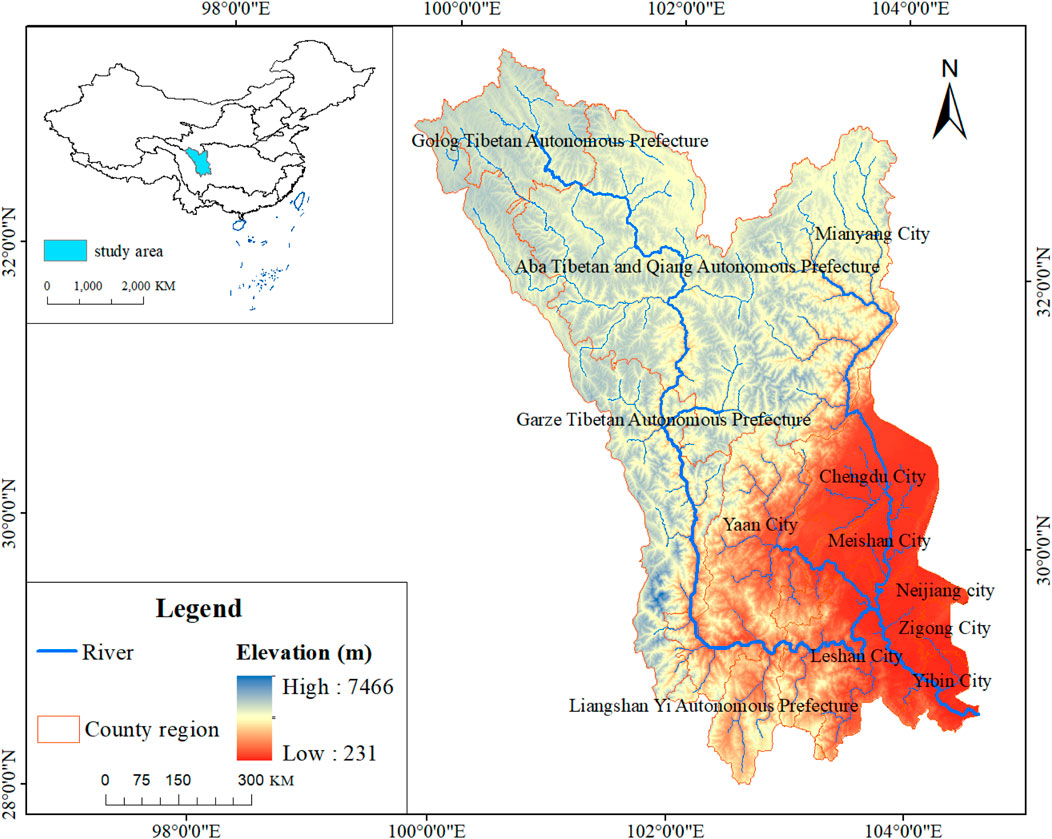
In the Min River Basin of China’s Upper Yangtze, diverse land use types are critical for ecological functions; however, rapid changes in land use have adversely affected HQ. This study employed the PLUS-InVEST model to simulate future land changes and their effects on HQ under different scenarios: a natural development scenario (ND) and a planning protection scenario (PP). Results indicated that under the ND scenario, cultivated land decreases and construction land increases, leading to declining HQ. In contrast, the PP scenario imposes restrictions on land use change, resulting in marginal increases in HQ.

The data revealed that HQ trends from 1990 to 2020 showed a decrease in the area of high HQ and an increase in low HQ, indicating ongoing habitat degradation. Key factors influencing HQ included DEM, slope, and population density, with natural geographical features being predominant drivers.

Ecological zoning identified three zones: priority protected, priority recovery, and appropriate development zones, systematically aiming to balance economic development with habitat preservation. The study underscores the necessity for sustainable land management practices to maintain biodiversity and ecosystem stability in the Min River Basin while minimizing human impact.

The research highlights the importance of ongoing monitoring and adaptive management strategies to protect habitats and support ecological integrity in the context of continuous land use changes.

Source link

Assessing Due Habitat Human Impact Quality Watershed
Share. Facebook Twitter Pinterest LinkedIn Tumblr Email
Previous ArticleRock Creek Restoration Plan Presented to Twin Falls City Council
Next Article Stunning Bodycam Footage Captures Heroic Wildfire Rescues
leebenda
Terrain News
  • Website

Related Posts

Sarasota County Launches Significant Watershed Restoration Initiative

October 12, 2026

Join Us for a River Cleanup and Habitat Restoration on October 17

October 10, 2026

Advancing Science and Practice: Highlights from the Total Maximum Daily Load Task Committee

October 9, 2026
Top Posts

Steamboat Secures $5 Million for River Revitalization

January 25, 202523 Views

Impact of Glacier Retreat on Land Use and Ecosystem Services in High Andes

February 3, 202521 Views

Assessing Climate Change and Human Influence on Runoff in a South China Tropical Watershed

February 3, 202520 Views
Stay In Touch
  • Facebook
  • YouTube
  • TikTok
  • WhatsApp
  • Twitter
  • Instagram
Most Popular

Steamboat Secures $5 Million for River Revitalization

January 25, 202523 Views

Impact of Glacier Retreat on Land Use and Ecosystem Services in High Andes

February 3, 202521 Views

Assessing Climate Change and Human Influence on Runoff in a South China Tropical Watershed

February 3, 202520 Views
Don't Miss

Sarasota County Launches Significant Watershed Restoration Initiative

Firefighters Contain Wildfire Threat in South Lake Tahoe

Join Us for a River Cleanup and Habitat Restoration on October 17

Popular This Week

$6.5 Million Secured for Wildlife Habitat Restoration in 2026 Conservation Permits

Harnessing AI to Predict Extreme Weather Events

Decoding Climate Disasters: Insights from Decades of Data on Fatalities

© 2026 Terrain News. All Rights Reserved.
  • About Us
  • Privacy Policy
  • Terms and Conditions
  • Disclaimer

Type above and press Enter to search. Press Esc to cancel.