

Close Menu
Terrain News
  • Environmental Science
  • Landforms & Habitats
  • Extreme Events
  • Watershed Restoration
  • Wildfire
What's Hot

Volunteers Transform Prairie Day at Jennings Environmental Education Center into a Success

$6.5 Million Secured for Wildlife Habitat Restoration in 2026 Conservation Permits

Hydrologic Insights from Conductive Topsoils in Ecuador’s Alpine Catchment

Facebook X (Twitter) Instagram
Facebook X (Twitter) Instagram Pinterest
Terrain News
TerrainWorks
  • Environmental Science
  • Landforms & Habitats
  • Extreme Events
  • Watershed Restoration
  • Wildfire
Terrain News
You are at:Home»Watershed & Environmental Science»Austin’s Approach to Detecting Harmful Algae in Lakes
Watershed & Environmental Science

Austin’s Approach to Detecting Harmful Algae in Lakes

Terrain NewsBy Terrain NewsDecember 28, 2025001 Min Read
Share Facebook Twitter Pinterest LinkedIn Tumblr Email
Austin's Approach To Detecting Harmful Algae In Lakes
Share
Facebook Twitter LinkedIn Pinterest Email

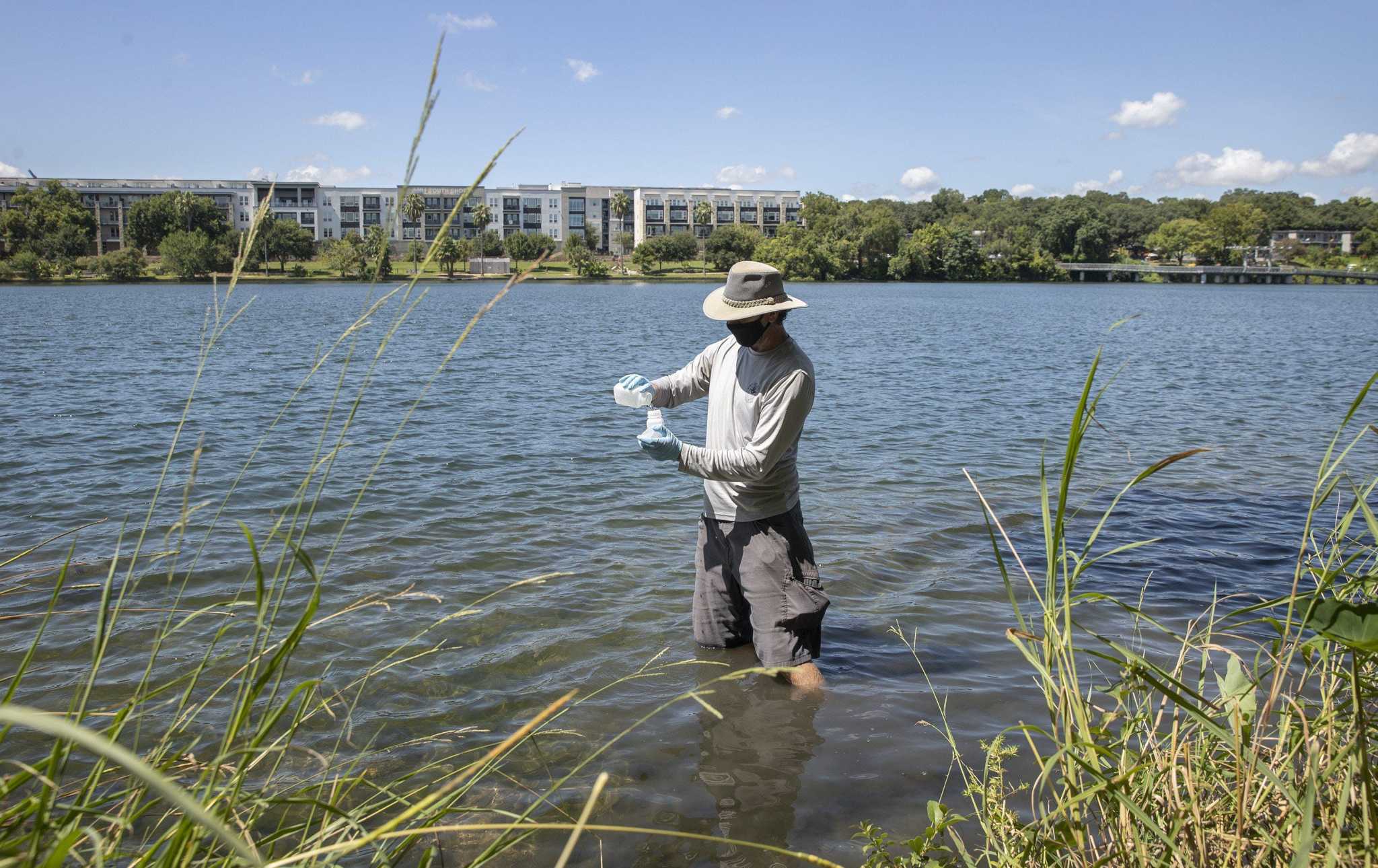
Brent Bellinger, a senior environmental scientist with the Austin Watershed Protection Department, conducts water tests at Lady Bird Lake, focusing on harmful blue-green algae linked to dog deaths last summer. The pandemic has delayed toxin testing from two to five days due to new protocols. Bellinger collects samples weekly from multiple locations in the lake, monitoring conditions that affect algae growth. While some algae were pushed away by recent rainfall, anthropogenic factors like fertilizer runoff and invasive zebra mussels worsen the situation by consuming beneficial algae. (Word count: 87)

Source link

Algae Approach Austins Detecting Harmful Lakes
Share. Facebook Twitter Pinterest LinkedIn Tumblr Email
Previous ArticleElk River Recovery Initiative for California Trout
Next Article Exploring the Impact of Past Wildfires on Future Recovery
leebenda
Terrain News
  • Website

Related Posts

Volunteers Transform Prairie Day at Jennings Environmental Education Center into a Success

April 15, 2026

Hydrologic Insights from Conductive Topsoils in Ecuador’s Alpine Catchment

April 13, 2026

Exploring Pathogenic Bacteria Dynamics in the Yangtze River Basin

April 12, 2026
Top Posts

Steamboat Secures $5 Million for River Revitalization

January 25, 202520 Views

Harnessing Machine Learning to Enhance Extreme Weather Alerts

January 8, 202519 Views

Boosting Carbon Storage: Maximizing Terrestrial Vegetation through Smart Land Management

February 1, 202516 Views
Stay In Touch
  • Facebook
  • YouTube
  • TikTok
  • WhatsApp
  • Twitter
  • Instagram
Most Popular

Steamboat Secures $5 Million for River Revitalization

January 25, 202520 Views

Harnessing Machine Learning to Enhance Extreme Weather Alerts

January 8, 202519 Views

Boosting Carbon Storage: Maximizing Terrestrial Vegetation through Smart Land Management

February 1, 202516 Views
Don't Miss

Volunteers Transform Prairie Day at Jennings Environmental Education Center into a Success

$6.5 Million Secured for Wildlife Habitat Restoration in 2026 Conservation Permits

Hydrologic Insights from Conductive Topsoils in Ecuador’s Alpine Catchment

Popular This Week

Collaboration for a Greener Future: Protecting the Paint Rock River

Wildfire Protection Grants Awarded to Lycoming and Sullivan County Fire Companies

Hydrologic Insights from Conductive Topsoils in Ecuador’s Alpine Catchment

© 2026 Terrain News. All Rights Reserved.
  • About Us
  • Privacy Policy
  • Terms and Conditions
  • Disclaimer

Type above and press Enter to search. Press Esc to cancel.