

Close Menu
Terrain News
  • Environmental Science
  • Landforms & Habitats
  • Extreme Events
  • Watershed Restoration
  • Wildfire
What's Hot

Kula Collaborates to Mitigate Wildfire Risks

Chesapeake Bay Receives $44.2 Million for Innovative Nutrient and Sediment Reduction Grants, with Over $19 Million for Pennsylvania

Navigating the Future of the Delaware River Watershed: A Call for Innovative Solutions

Facebook X (Twitter) Instagram
Facebook X (Twitter) Instagram Pinterest
Terrain News
TerrainWorks
  • Environmental Science
  • Landforms & Habitats
  • Extreme Events
  • Watershed Restoration
  • Wildfire
Terrain News
You are at:Home»Extreme Climate & Geophysical Events»Greenhouse Gases Fueling Extreme Weather Events
Extreme Climate & Geophysical Events

Greenhouse Gases Fueling Extreme Weather Events

Terrain NewsBy Terrain NewsOctober 8, 2025011 Min Read
Share Facebook Twitter Pinterest LinkedIn Tumblr Email
Greenhouse Gases Fueling Extreme Weather Events
Share
Facebook Twitter LinkedIn Pinterest Email

On March 13, 2013, the Earth Institute held its fourth seminar in the Sustainable Development Seminar Series at Columbia University, titled “Ch Ch Ch Changes – recent trends in temperature extremes and hydroclimate.” The event featured experts like Peter Schlosser, Gavin Schmidt, Richard Seager, and Jason Smerdon, focusing on climate change and its impacts on weather events.

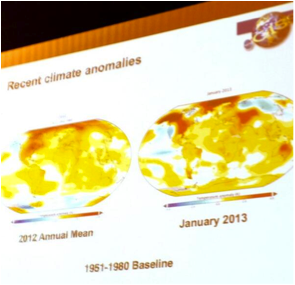
Schmidt discussed recent temperature anomalies, noting a consistent global warming trend since the 1950s, driven by rising greenhouse gas levels. Smerdon emphasized that while extreme weather events were possible pre-climate change, they are now more frequent and intense. He used the analogy of steroids in baseball to illustrate that climate change amplifies the severity of storms.

Seager highlighted the increasing frequency of droughts, linking them to climate change-driven precipitation shifts, which cause wet areas to become wetter and dry areas drier. The panel urged the necessity of quantifying carbon thresholds and fostering global consensus among scientists and governments. The next seminar will feature discussions on the Millennium Villages Project on April 4.

Source link

Events Extreme Fueling Gases Greenhouse Weather
Share. Facebook Twitter Pinterest LinkedIn Tumblr Email
Previous ArticleFoundation Announces $650K in Binational Grants for Tijuana River Initiatives
Next Article Innovative Grants for Outdoor Watershed Education Programs
leebenda
Terrain News
  • Website

Related Posts

The Impact of Global Warming on Russia’s Deadly Heat Wave

February 5, 2026

Climate Change’s Impact on Migration in the Americas

February 4, 2026

Rising Intensity and Frequency of Heatwaves in the Caribbean

January 31, 2026
Top Posts

Steamboat Secures $5 Million for River Revitalization

January 25, 202520 Views

Harnessing Machine Learning to Enhance Extreme Weather Alerts

January 8, 202519 Views

Influence of Stratospheric Conditions on Extreme Weather in North America

February 2, 202515 Views
Stay In Touch
  • Facebook
  • YouTube
  • TikTok
  • WhatsApp
  • Twitter
  • Instagram
Most Popular

Steamboat Secures $5 Million for River Revitalization

January 25, 202520 Views

Harnessing Machine Learning to Enhance Extreme Weather Alerts

January 8, 202519 Views

Influence of Stratospheric Conditions on Extreme Weather in North America

February 2, 202515 Views
Don't Miss

Kula Collaborates to Mitigate Wildfire Risks

Chesapeake Bay Receives $44.2 Million for Innovative Nutrient and Sediment Reduction Grants, with Over $19 Million for Pennsylvania

Navigating the Future of the Delaware River Watershed: A Call for Innovative Solutions

Popular This Week

California Launches $10M Housing Initiative for Wildfire Recovery

New Bipartisan Initiative Aims to Restore the Ohio River

Transforming Illegal Ponds into Wildfire Defense Strategies: Insights from BOCC and Upper Ark

© 2026 Terrain News. All Rights Reserved.
  • About Us
  • Privacy Policy
  • Terms and Conditions
  • Disclaimer

Type above and press Enter to search. Press Esc to cancel.