


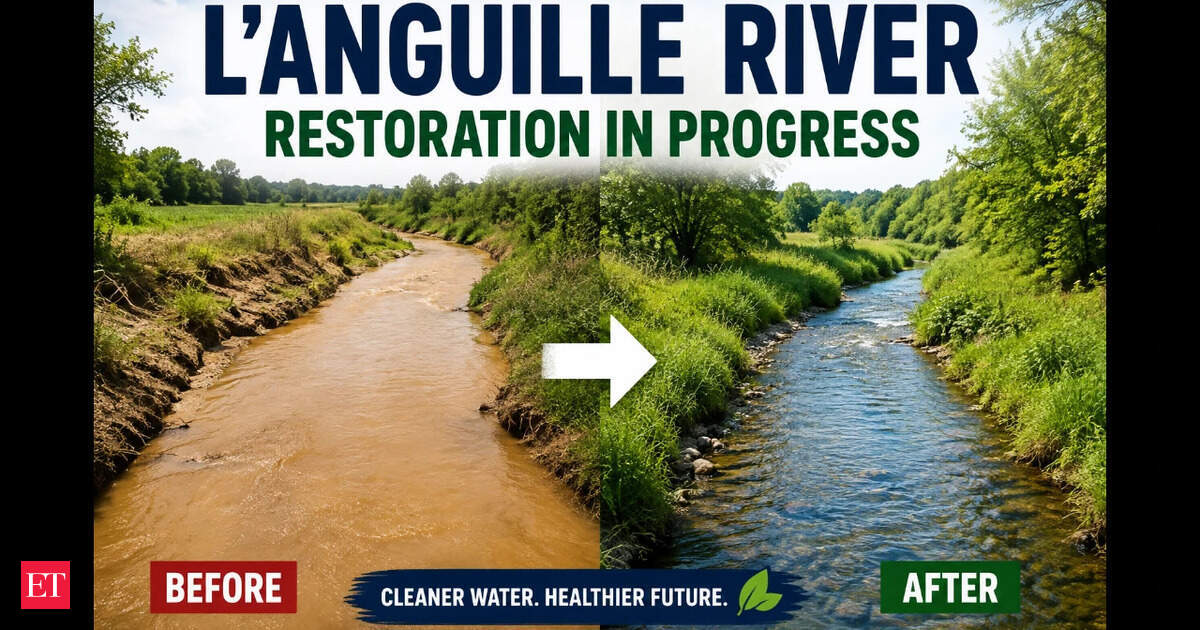
The L’Anguille River in eastern Arkansas, listed as impaired for siltation and turbidity since 1998, is undergoing restoration efforts that include the smaller channel Lateral 1A. Restoration work has improved six miles, with two additional miles recently restored, focusing on sediment management from surrounding farmland. This approach acknowledges that sediment can affect larger rivers without entering directly, as rainwater runoff carries it through drainage systems.
Restoration strategies include sediment ponds and streamside buffers that stabilize channels and slow water flow. Involving private landowners is crucial, as much of the landscape is farmed, requiring a balance between drainage needs and water quality. Monitoring water quality, including sediment and nutrients, helps evaluate restoration effectiveness.
The project illustrates broader challenges in U.S. agricultural watersheds, showing that small, voluntary conservation practices can significantly impact river health. While progress is being made, continued work is essential for lasting improvement, highlighting the interconnectedness of land decisions and water quality.
Source link
