

Close Menu
Terrain News
  • Environmental Science
  • Landforms & Habitats
  • Extreme Events
  • Watershed Restoration
  • Wildfire
What's Hot

Transforming 2016 Flood Lessons into Real Solutions with Ascension

Firefighters Battle Wildfires at Camp Pendleton and Cleveland National Forest

EPA Grants $90K to Support San Elijo Lagoon Conservancy

Facebook X (Twitter) Instagram
Facebook X (Twitter) Instagram Pinterest
Terrain News
TerrainWorks
  • Environmental Science
  • Landforms & Habitats
  • Extreme Events
  • Watershed Restoration
  • Wildfire
Terrain News
You are at:Home»Watershed & Environmental Science»Understanding Watersheds: A Key to Environmental Awareness
Watershed & Environmental Science

Understanding Watersheds: A Key to Environmental Awareness

Terrain NewsBy Terrain NewsMarch 7, 2025061 Min Read
Share Facebook Twitter Pinterest LinkedIn Tumblr Email
Understanding Watersheds: A Key To Environmental Awareness
Share
Facebook Twitter LinkedIn Pinterest Email

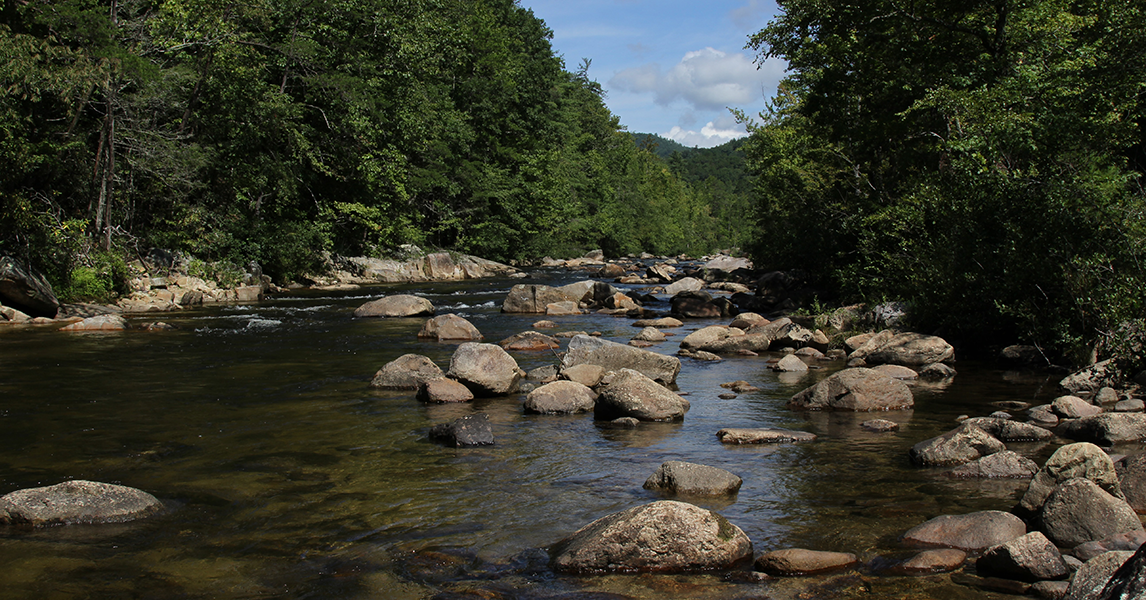
Watersheds are vital for social, environmental, and economic well-being, as outlined by Katherine Martin, an assistant professor at NC State. She leads research on how climate and land use changes impact ecosystem services, such as clean water and wildlife habitats. A watershed is defined as an area where precipitation and runoff flow to a common water body. Their sizes can range from less than an acre to thousands of square miles, with everyone living in a watershed.

Healthy watersheds provide essential services like water purification and soil stabilization, while also offering recreational opportunities. Threats to watersheds include urban development, agricultural practices, and industrial activities that increase pollution, which can lead to issues such as algal blooms that harm aquatic life and human health.

Climate change is expected to exacerbate these challenges by increasing storm intensity and wildfire conditions. Protection measures are being undertaken by organizations and agencies, including creating riparian buffers and considering regulations on PFAS compounds in drinking water. Individuals can also contribute by properly disposing of waste, planting trees, and reducing their carbon footprint.

Source link

Awareness Environmental Key Understanding Watersheds
Share. Facebook Twitter Pinterest LinkedIn Tumblr Email
Previous ArticleDecoding Extreme Weather Patterns
Next Article Maryland Watersheds Receive Grant Funding for Environmental and Economic Revitalization
leebenda
Terrain News
  • Website

Related Posts

EPA Grants $90K to Support San Elijo Lagoon Conservancy

June 15, 2026

Western Cascades Watershed Faces Increased Fire Risks

June 14, 2026

Public Meeting on Key Restoration Efforts at Clear Lake in Mendocino National Forest

June 12, 2026
Top Posts

Steamboat Secures $5 Million for River Revitalization

January 25, 202521 Views

Harnessing Machine Learning to Enhance Extreme Weather Alerts

January 8, 202519 Views

Impact of Glacier Retreat on Land Use and Ecosystem Services in High Andes

February 3, 202518 Views
Stay In Touch
  • Facebook
  • YouTube
  • TikTok
  • WhatsApp
  • Twitter
  • Instagram
Most Popular

Steamboat Secures $5 Million for River Revitalization

January 25, 202521 Views

Harnessing Machine Learning to Enhance Extreme Weather Alerts

January 8, 202519 Views

Impact of Glacier Retreat on Land Use and Ecosystem Services in High Andes

February 3, 202518 Views
Don't Miss

Transforming 2016 Flood Lessons into Real Solutions with Ascension

Firefighters Battle Wildfires at Camp Pendleton and Cleveland National Forest

EPA Grants $90K to Support San Elijo Lagoon Conservancy

Popular This Week

Understanding Watersheds: A Key to Environmental Awareness

Transforming 2016 Flood Lessons into Real Solutions with Ascension

Rising Wildfire Threat Looms Over Saskatchewan and the Prairies This Summer

© 2026 Terrain News. All Rights Reserved.
  • About Us
  • Privacy Policy
  • Terms and Conditions
  • Disclaimer

Type above and press Enter to search. Press Esc to cancel.