

Close Menu
Terrain News
  • Environmental Science
  • Landforms & Habitats
  • Extreme Events
  • Watershed Restoration
  • Wildfire
What's Hot

New Fire Alerts Issued After Major Wildfire Erupts

Tibet’s Thawing Lakes Boost Greenhouse Gas Emissions

Celebrating 30 Years of Innovative Watershed Internship Program with NYC DEP Leaders

Facebook X (Twitter) Instagram
Facebook X (Twitter) Instagram Pinterest
Terrain News
TerrainWorks
  • Environmental Science
  • Landforms & Habitats
  • Extreme Events
  • Watershed Restoration
  • Wildfire
Terrain News
You are at:Home»Watershed & Environmental Science»Tibet’s Thawing Lakes Boost Greenhouse Gas Emissions
Watershed & Environmental Science

Tibet’s Thawing Lakes Boost Greenhouse Gas Emissions

Terrain NewsBy Terrain NewsAugust 28, 2026001 Min Read
Share Facebook Twitter Pinterest LinkedIn Tumblr Email
Tibet's Thawing Lakes Boost Greenhouse Gas Emissions
Share
Facebook Twitter LinkedIn Pinterest Email

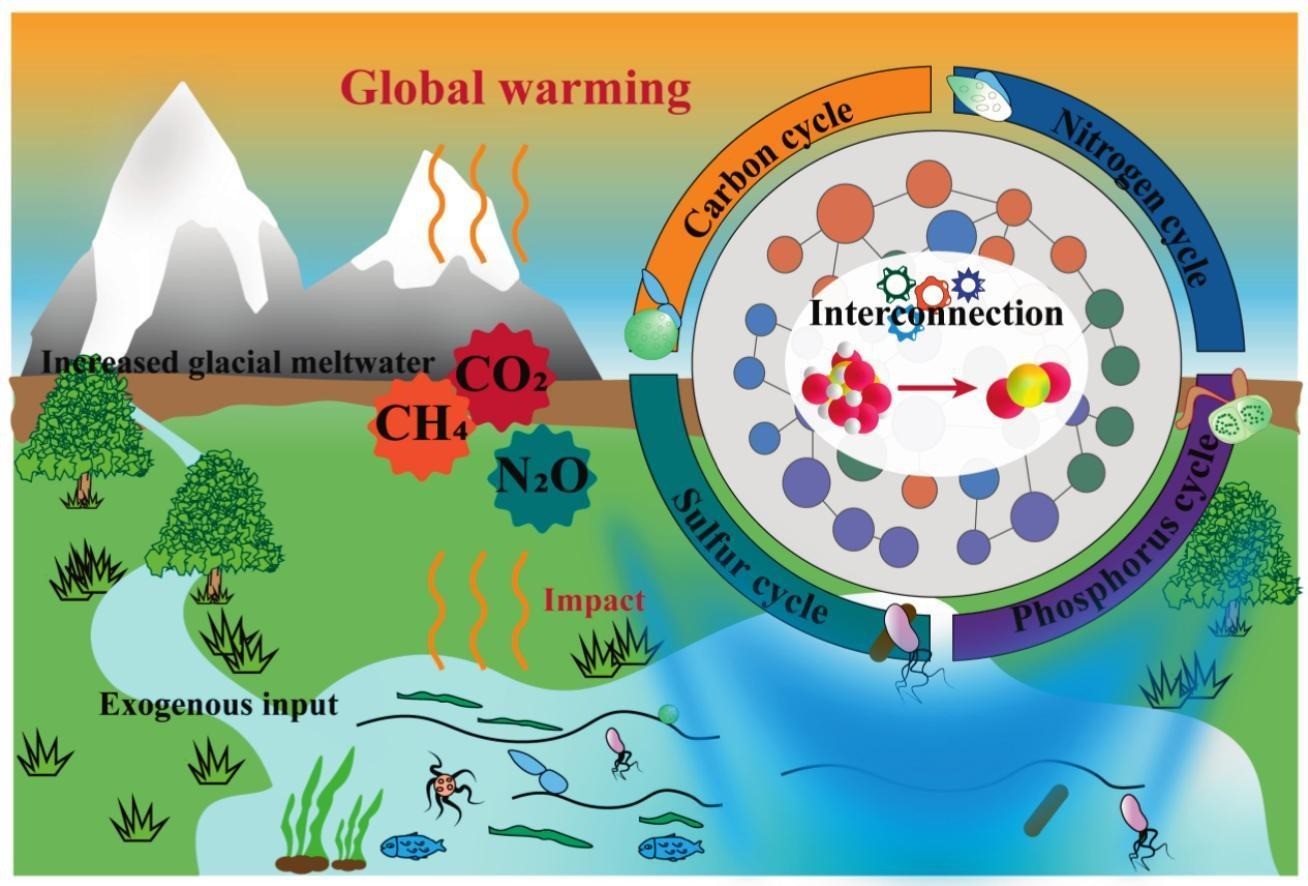
Lakes on the Tibetan Plateau are shifting from stable carbon sinks to significant greenhouse gas sources due to climate change, according to a review in Watershed Ecology and the Environment. The study analyzed nearly 400 research papers and highlights the impact of rising temperatures causing permafrost thaw and glacier retreat, leading to the formation of "thermokarst" lakes that release ancient carbon as CO2 and methane, which is 28 times more potent than CO2.

Dr. Yang Liu, the study’s lead author, emphasizes the need for tailored management strategies as these lakes vary significantly in their carbon roles. The study stresses the importance of microorganisms in this process; while warming prolongs algae growth (which absorbs CO2), it also accelerates microbial decomposition, potentially shifting the entire system from carbon absorbers to emitters, creating a feedback loop that worsens global warming.

To address these challenges, the authors advocate for a comprehensive model that considers microbial activity, nutrient cycling, and climate impacts, enabling targeted management of lake types that can remain carbon sinks while reducing emissions from high-emission lakes.

Source link

Boost Emissions Gas Greenhouse Lakes Thawing Tibets
Share. Facebook Twitter Pinterest LinkedIn Tumblr Email
Previous ArticleCelebrating 30 Years of Innovative Watershed Internship Program with NYC DEP Leaders
Next Article New Fire Alerts Issued After Major Wildfire Erupts
leebenda
Terrain News
  • Website

Related Posts

Celebrating 30 Years of Innovative Watershed Internship Program with NYC DEP Leaders

August 27, 2026

Chesapeake Bay at Risk: How Population Growth Affects America’s Largest Estuary

August 26, 2026

Funding Boost for Pecos River Restoration and Wildlife Recovery Initiative

August 23, 2026
Top Posts

Steamboat Secures $5 Million for River Revitalization

January 25, 202523 Views

Harnessing Machine Learning to Enhance Extreme Weather Alerts

January 8, 202520 Views

Assessing Climate Change and Human Influence on Runoff in a South China Tropical Watershed

February 3, 202519 Views
Stay In Touch
  • Facebook
  • YouTube
  • TikTok
  • WhatsApp
  • Twitter
  • Instagram
Most Popular

Steamboat Secures $5 Million for River Revitalization

January 25, 202523 Views

Harnessing Machine Learning to Enhance Extreme Weather Alerts

January 8, 202520 Views

Assessing Climate Change and Human Influence on Runoff in a South China Tropical Watershed

February 3, 202519 Views
Don't Miss

New Fire Alerts Issued After Major Wildfire Erupts

Tibet’s Thawing Lakes Boost Greenhouse Gas Emissions

Celebrating 30 Years of Innovative Watershed Internship Program with NYC DEP Leaders

Popular This Week

Funding Boost for Pecos River Restoration and Wildlife Recovery Initiative

Massive Wildfire Engulfs 80,000 Acres in North Texas, Prompting Evacuations and School Closures

Wildfire Threat Forces Tens of Thousands to Evacuate Reno, Nevada

© 2026 Terrain News. All Rights Reserved.
  • About Us
  • Privacy Policy
  • Terms and Conditions
  • Disclaimer

Type above and press Enter to search. Press Esc to cancel.