

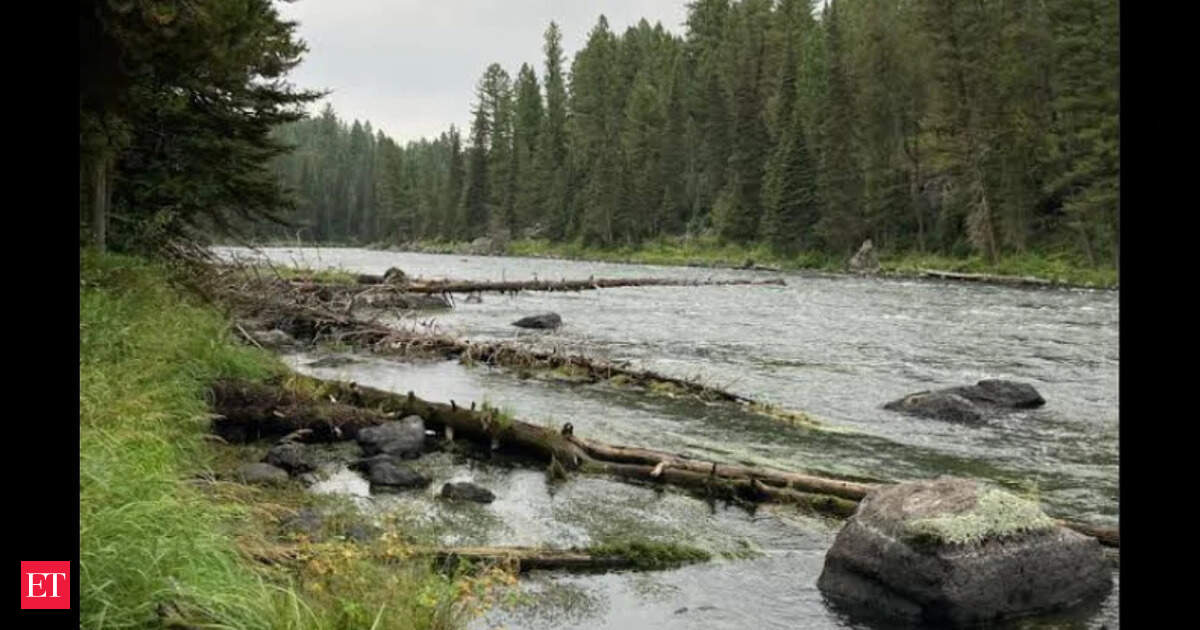
The South Fork Palouse River in Idaho faced significant water quality issues, primarily from bacteria, sediment, nutrients, and temperature due to agricultural practices and livestock grazing. Over the years, conservation efforts in the watershed, including livestock management, streambank restoration, and wetland creation, led to measurable improvements. By 2016, Idaho removed E. coli as an impairment from the river’s status, highlighting the effectiveness of gradual, practical interventions rather than large-scale projects.
The river’s challenges stemmed from agricultural changes that increased runoff and pollutant movement. Livestock grazing exacerbated the problem by allowing manure to contaminate the water and damaging protective vegetation. Monitoring showed elevated E. coli levels, which triggered the establishment of a total maximum daily load (TMDL) to set pollution limits.
Restoration projects targeted multiple pollution sources through integrated solutions, demonstrating that addressing one issue could yield broader ecological benefits. Though the river was not fully pristine, the changes significantly improved water quality, serving as a valuable case study for other agricultural watersheds in managing runoff. Continued monitoring remains essential for maintaining water quality standards.
Source link
