


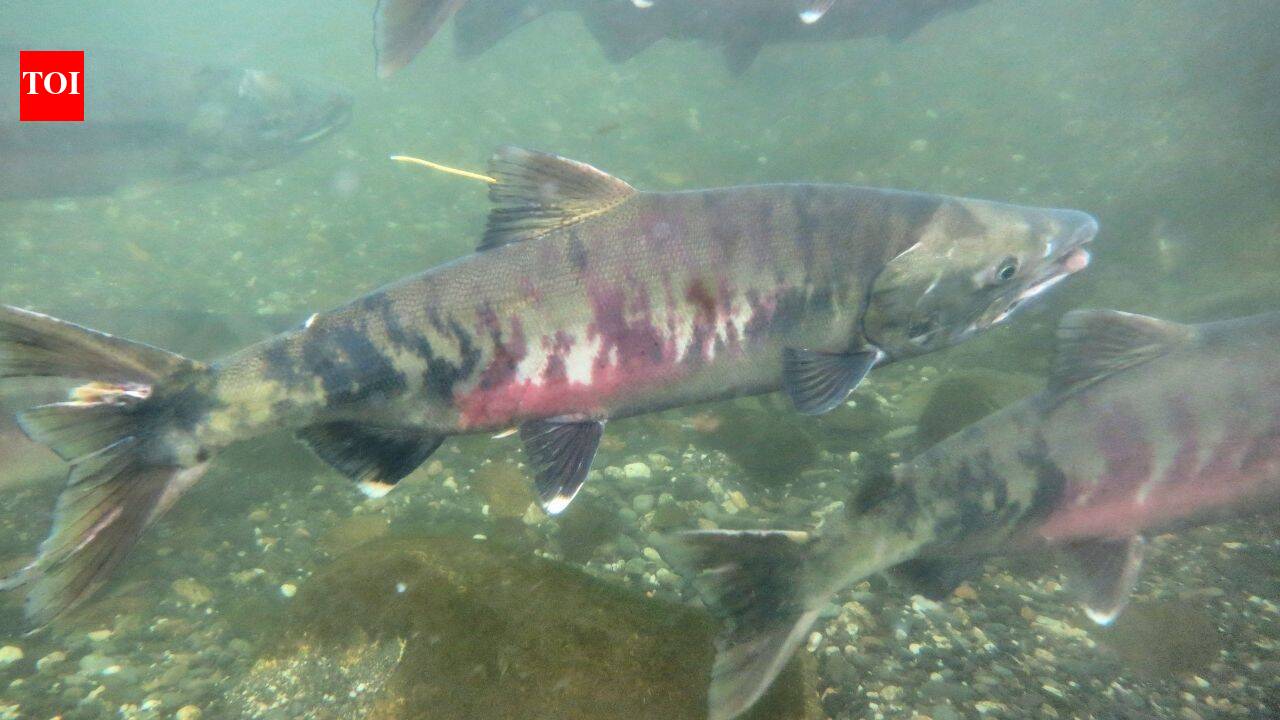
In the early 1990s, fewer than 1,000 summer-run chum salmon were returning to the Big Quilcene River in Washington, due to habitat degradation from logging and road-building. However, following a $9.7 million multi-agency restoration effort initiated in the 2000s, recent returns have dramatically increased to an average of 32,600 adults annually.
The restoration focused on fixing key habitat issues rather than simply increasing fish numbers, with goals to reduce sediment, reconnect the river to its floodplain, and promote natural channel processes. Partner organizations like NOAA Fisheries and local tribes were integral to the effort, which involved upgrading roads, re-grading stream crossings, and restoring side channels.
This project not only boosted the salmon population but also serves as a model for similar ecosystems in the region. The success highlights the importance of long-term commitment and ecological restoration, as summer chum are vital for the local ecosystem and fisheries. As the project nears completion by 2026, ongoing monitoring and maintenance are planned to ensure the river’s health and connection to the community.
Source link
