

The article discusses the need for better preparedness for unexpected disasters, sparked by recent events like the Marshall Fire and the Hunga Tonga volcanic eruption. The author, reflecting on a 2015 lecture, proposes a three-part taxonomy for future catastrophes:
-
Familiar hazards: Events like hurricanes and earthquakes that we are well-prepared for, with historical knowledge helping us mitigate their impacts effectively.
-
Emergent hazards: Complex issues arising from interconnected systems, such as pandemics and financial crises, which often receive less attention despite their potential for disruption.
- Extraordinary hazards: Unforeseen risks, including asteroid impacts and potential consequences of contact with alien life, requiring innovative thinking and planning.
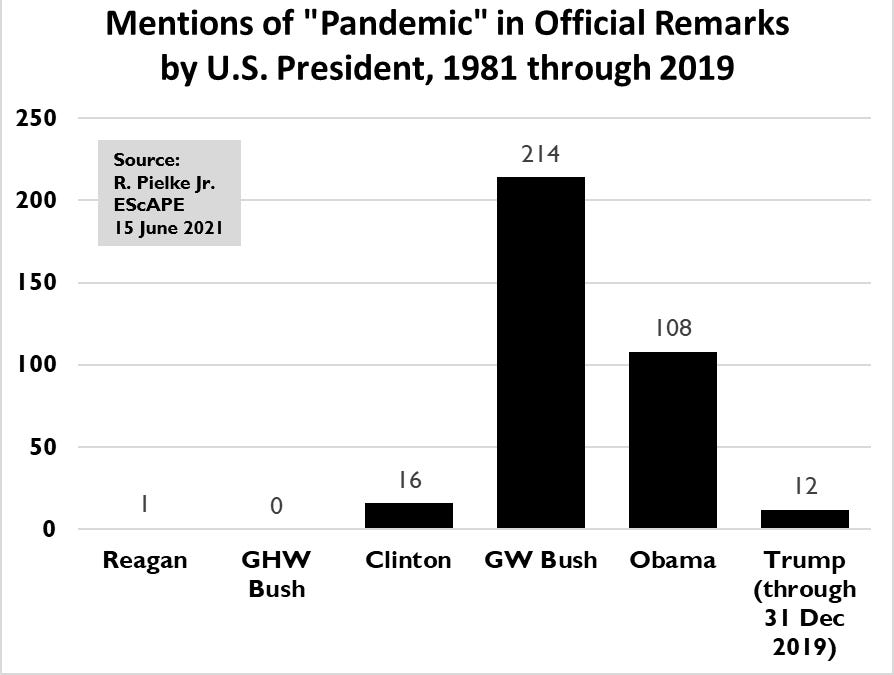
The author emphasizes that while we excel in managing familiar risks, our focus on these can detract from emergent and extraordinary risks. This was evident in the inadequate pandemic preparedness leading up to COVID-19, where prior research on such risks was minimal compared to climate change topics.
Three hypotheses are proposed:
- The challenge with ordinary catastrophes lies in effectively applying known strategies rather than creating new knowledge.
- Addressing emergent phenomena necessitates different mitigation approaches due to their unpredictability.
- Extraordinary risks demand expanded discussions in the expert community to prepare for potential futures that are currently unimagined.
The article concludes by advocating for a more inclusive "marketplace of ideas" to guide decision-makers in addressing these diverse and uncertain threats.
