

Close Menu
Terrain News
  • Environmental Science
  • Landforms & Habitats
  • Extreme Events
  • Watershed Restoration
  • Wildfire
What's Hot

Wildfire Erupts in Wine Country as Firefighters Confront Intense Winds and Challenging Terrain

Reviving the Desert: Insights from Nevada’s Watershed Restoration Efforts

Innovating Warning Systems for Extreme Climate and Natural Disasters

Facebook X (Twitter) Instagram
Facebook X (Twitter) Instagram Pinterest
Terrain News
TerrainWorks
  • Environmental Science
  • Landforms & Habitats
  • Extreme Events
  • Watershed Restoration
  • Wildfire
Terrain News
You are at:Home»Landforms, Processes & Habitats»Evaluating Human Settlement Patterns in Arid Regions Using GIS Analysis
Landforms, Processes & Habitats

Evaluating Human Settlement Patterns in Arid Regions Using GIS Analysis

Terrain NewsBy Terrain NewsFebruary 9, 2025012 Mins Read
Share Facebook Twitter Pinterest LinkedIn Tumblr Email
Evaluating Human Settlement Patterns In Arid Regions Using Gis Analysis
Share
Facebook Twitter LinkedIn Pinterest Email

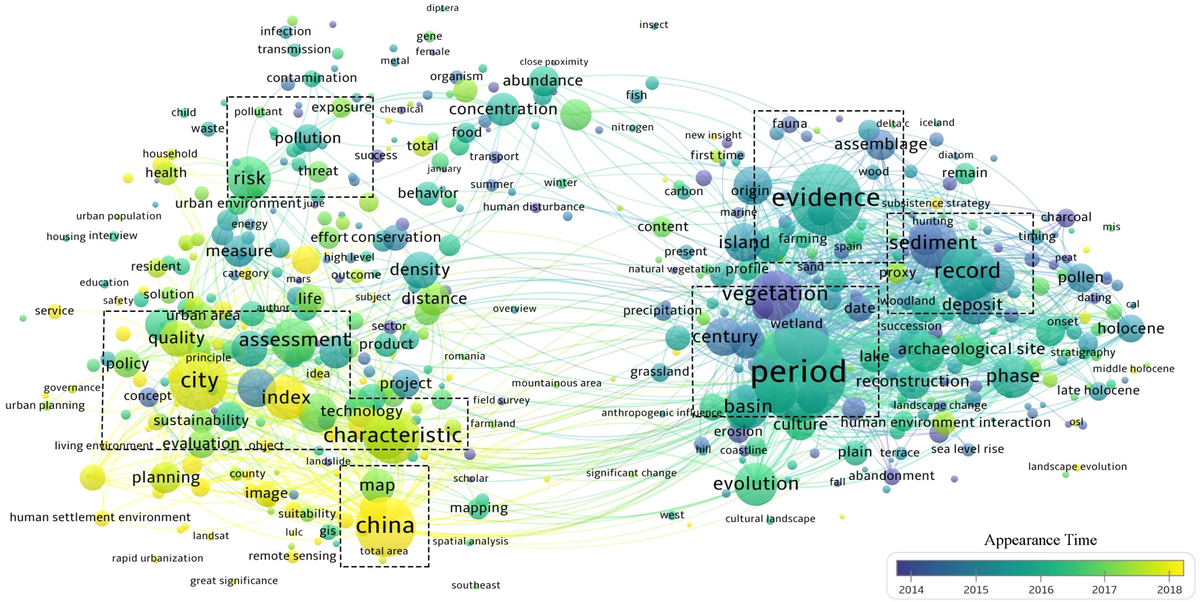
The article examines the Human Settlement Environment (HSE) in arid areas, particularly focusing on Gansu Province in Northwestern China. It highlights how the natural and social environments significantly influence residential satisfaction and sustainable development, especially in the context of climate change and increasing urbanization. The study employs Geographic Information Systems (GIS) and Analytical Hierarchy Process (AHP) methods to evaluate the suitability of HSE by considering both natural and cultural factors.

Key findings highlight significant disparities in the suitability of the HSE across different regions. Areas with high suitability are generally located near urban centers like Lanzhou, while lesser-suitable zones are found in remote, harsh terrains. The study classifies the HSE suitability into five categories from highly suitable to unsuitable, revealing a concentration of higher suitability in central urban areas.

The research concludes that resilient planning and infrastructure improvements are necessary in arid regions to counter extreme climate impacts and resource shortages. It emphasizes the need for comprehensive data integration, combining remote sensing and field surveys to better understand and improve the HSE conditions in vulnerable areas. Furthermore, while the study presents a robust evaluation model, the authors identify limitations due to data availability and suggest that future research could enhance the accuracy and completeness of HSE assessments.

Source link

Analysis Arid Evaluating GIS Human Patterns Regions Settlement
Share. Facebook Twitter Pinterest LinkedIn Tumblr Email
Previous ArticleEvaluating Meteorological and Socioeconomic Drought Impacts in Northern Ethiopia’s Tekeze Watershed
Next Article Impact of Leaf Characteristics, Landscape Features, and Nutrient Inputs on Stream Water Quality in the Upper Midwest
leebenda
Terrain News
  • Website

Related Posts

Evaluating Future Stream Restoration Opportunities in the Cloquallum Watershed

May 30, 2026

Government Suggests Revision of Habitat Regulations for Streamlined Assessment Process

May 11, 2026

Drones Uncover Changes in the Elbow River Due to Flooding

May 3, 2026
Top Posts

Steamboat Secures $5 Million for River Revitalization

January 25, 202521 Views

Harnessing Machine Learning to Enhance Extreme Weather Alerts

January 8, 202519 Views

Impact of Glacier Retreat on Land Use and Ecosystem Services in High Andes

February 3, 202518 Views
Stay In Touch
  • Facebook
  • YouTube
  • TikTok
  • WhatsApp
  • Twitter
  • Instagram
Most Popular

Steamboat Secures $5 Million for River Revitalization

January 25, 202521 Views

Harnessing Machine Learning to Enhance Extreme Weather Alerts

January 8, 202519 Views

Impact of Glacier Retreat on Land Use and Ecosystem Services in High Andes

February 3, 202518 Views
Don't Miss

Wildfire Erupts in Wine Country as Firefighters Confront Intense Winds and Challenging Terrain

Reviving the Desert: Insights from Nevada’s Watershed Restoration Efforts

Innovating Warning Systems for Extreme Climate and Natural Disasters

Popular This Week

Reviving the Desert: Insights from Nevada’s Watershed Restoration Efforts

Reviving Rivers: A Journey of Restoration and Renewal

Boosting Carbon Credits through the Yahara Watershed Initiative

© 2026 Terrain News. All Rights Reserved.
  • About Us
  • Privacy Policy
  • Terms and Conditions
  • Disclaimer

Type above and press Enter to search. Press Esc to cancel.